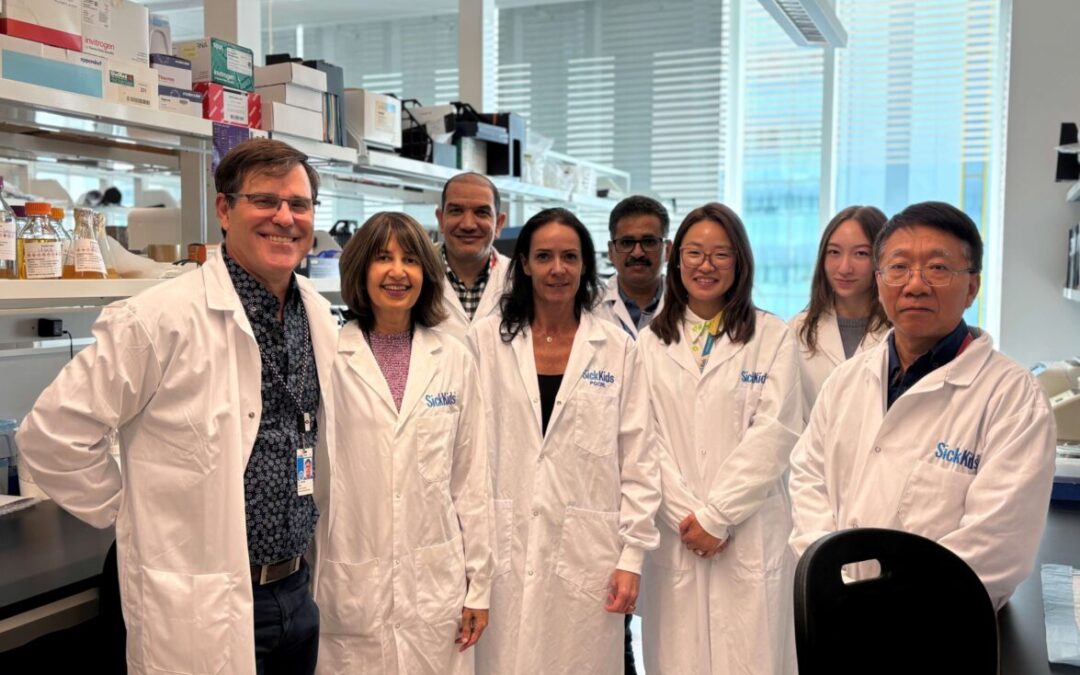
Authors: Sonya Brijbassi, Madeline Dougherty, and Kassandra Zachos from Mitochondria Innovation Initiative (MITO2i) Mitochondria and Heart Failure Research As we explore advancements in heart failure research, care, and innovation, we can see the field rapidly...
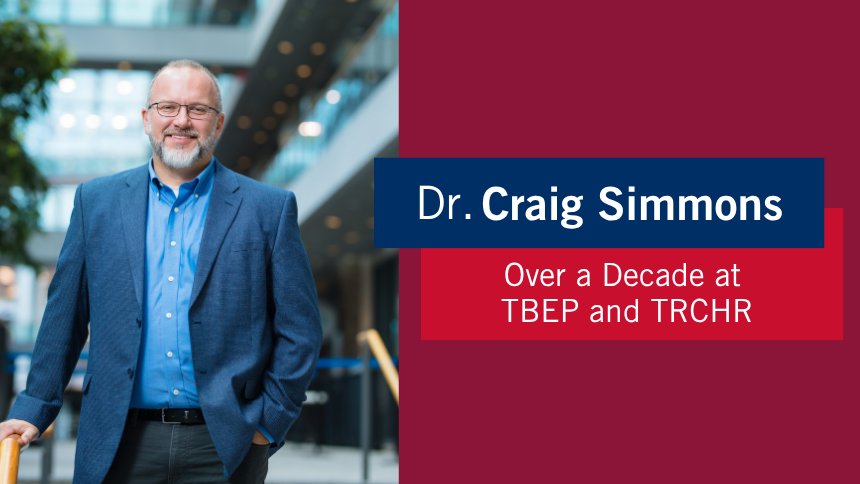
Over ten years ago, the Ted Rogers Centre for Heart Research (TRCHR) set out to put engineers, biologists, and clinicians in the same room and see what happens when they take on heart failure together. Dr. Craig Simmons was chosen to lead that effort. A University of...
A person walks into an emergency department with heart failure. Within hours, a doctor must make a consequential call to send them home or admit them to the hospital. Both options run their own risks – admitting the patient can lead to an unnecessary hospitalization...
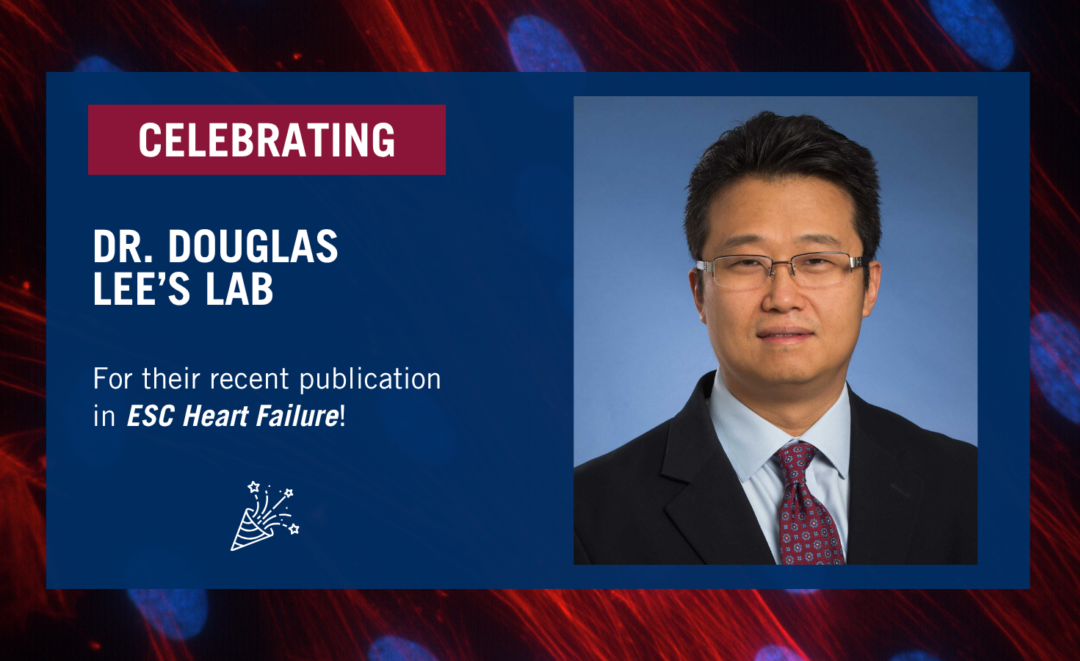
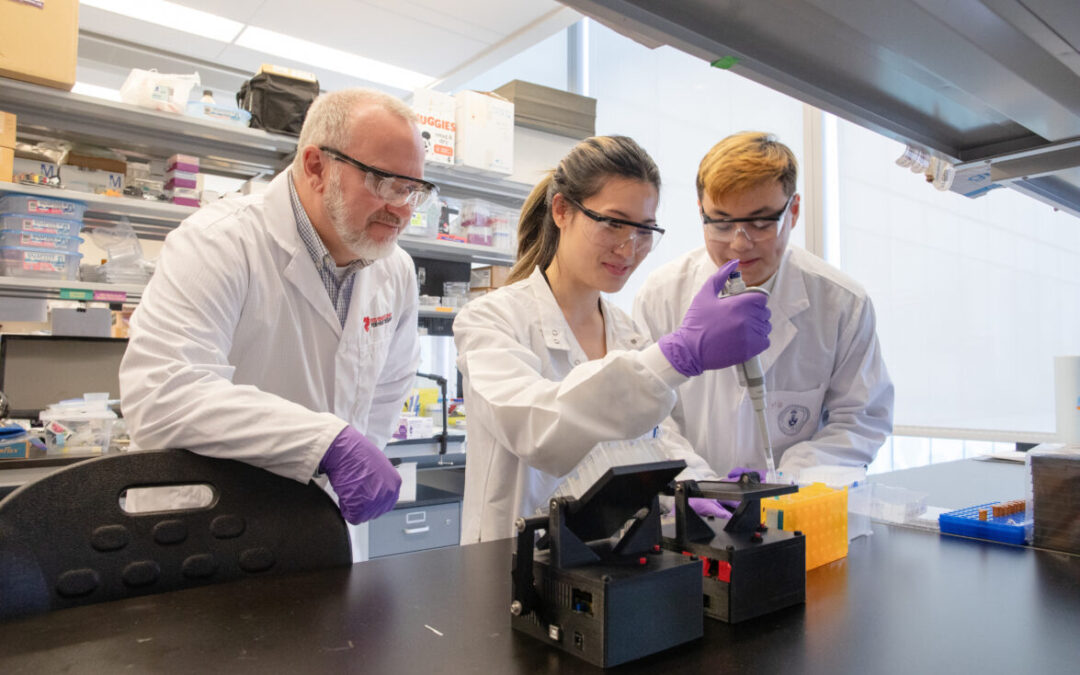
For researchers studying heart disease, lab-grown heart cells are an essential tool. Created from human stem cells, they offer a powerful way to model disease, test therapies, and better understand heart function. However, the challenge remains that these cells behave...
For children living with cardiomyopathy, heart failure is not always caused by the heart losing its ability to pump. In many cases, the problem is more subtle, but just as serious: the heart becomes stiff and struggles to relax and fill properly between beats. This...
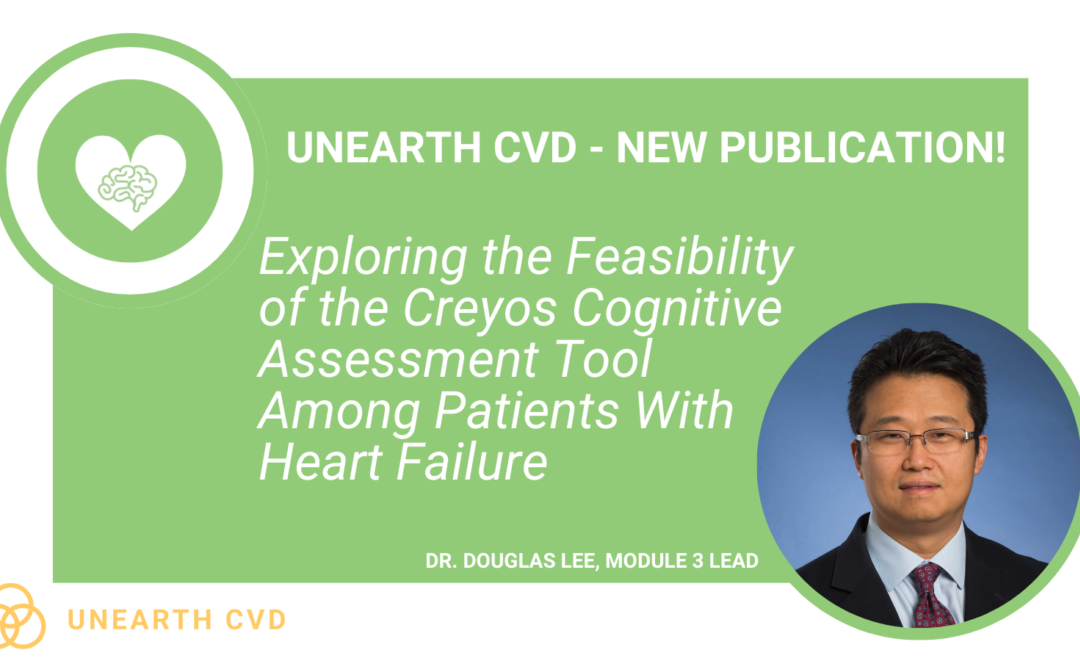
New findings from the UNEARTH CVD research team have shed light on an important but often overlooked aspect of cardiovascular care: the cognitive health of people living with heart failure. Published in Cureus, this new publication is the first study to examine...
3D models of heart failure… stiffened hearts in diabetes…. saving infant lives
After a heart attack, this peptide protects the heart from further injury
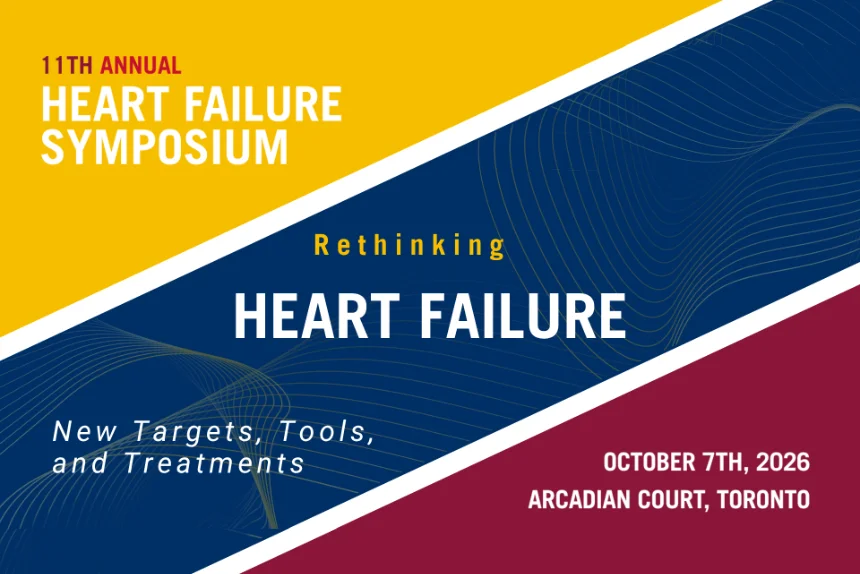
Featured Event
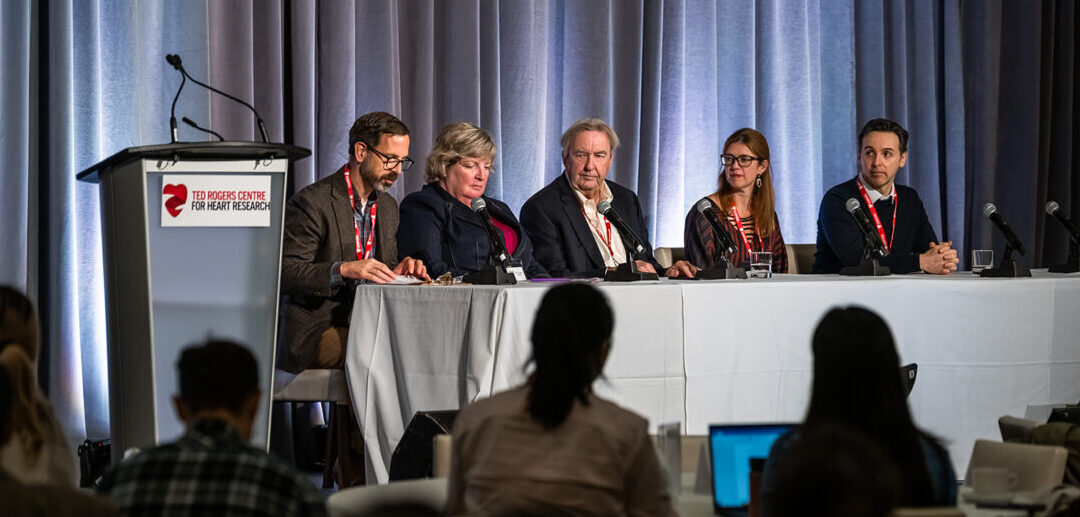
2026 Heart Failure Symposium
Virtual Library
Visit our YouTube channel filled with world-class heart failure educational sessions on diverse topics
Please join us for an ECHO (Entrepreneurship for Cardiovascular Health Opportunities) seminar featuring Dr. Oren Kraus (Co-Founder, Phenomic AI) on Tuesday February 25, 2020 (11 am – 12 pm) in the TBEP lounge (MaRS West Tower, 661 University Ave, 14th floor).
Dr. Kraus’ presentation entitled, “From an algorithm to drug discovery; Using deep learning to understand biological phenotypes”, will feature an overview of Phenomic AI, its technologies and the story behind its success. Phenomic AI is leveraging computer vision and high-content screening to develop the next wave of therapeutic antibodies against cancer and fibrosis.
Light refreshments will be served.
ECHO is an entrepreneurship training program, funded and organized in a partnership between (i) the Translational Biology and Engineering Program (TBEP), the University of Toronto component of the Ted Rogers Centre for Heart Research, and (ii) the Health Innovation Hub (H2i).