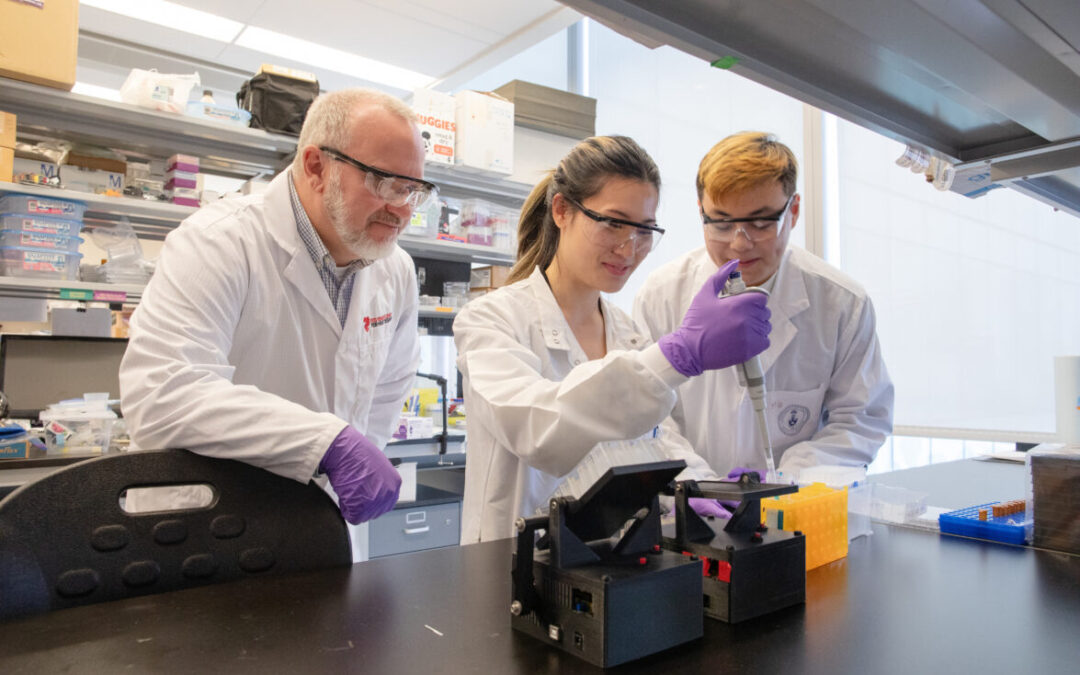
For researchers studying heart disease, lab-grown heart cells are an essential tool. Created from human stem cells, they offer a powerful way to model disease, test therapies, and better understand heart function. However, the challenge remains that these cells behave more like those in a newborn baby heart than in an adult heart. This gap matters, as immature cells do not fully replicate how the adult heart contracts, responds to electrical signals, or uses energy, limiting the accuracy of disease models and confidence in drug testing.
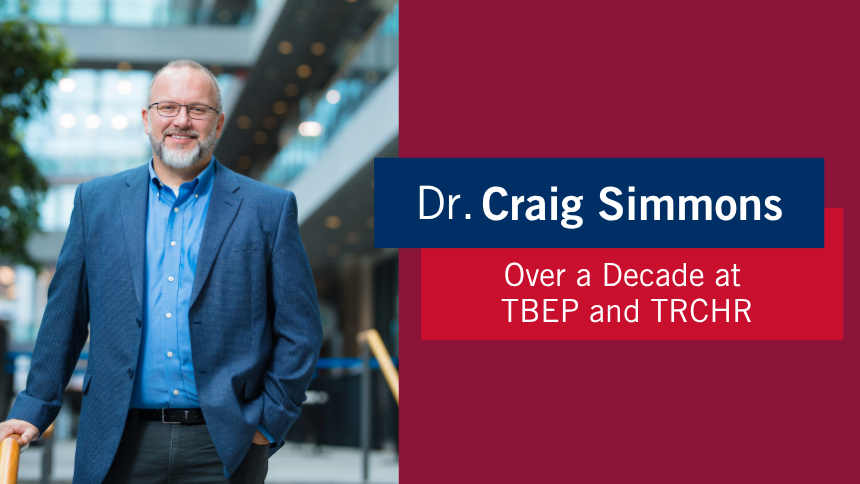
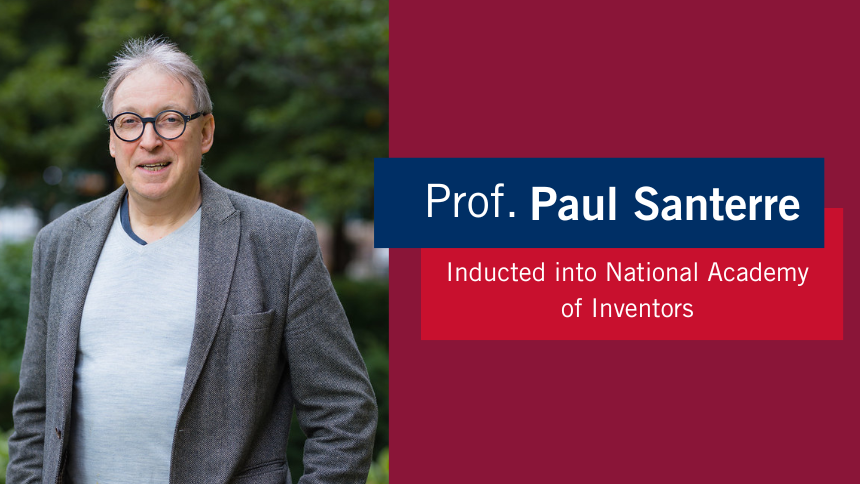
A team of researchers associated with the Ted Rogers Centre for Heart Research and funded by a Strategic Innovation Award—including Dr. Neal Callaghan, Profs. Craig Simmons, Paul Santerre, Anthony Gramolini, and Milica Radisic from TBEP, Dr. Phyllis Billia from UHN, and Drs. Seema Mital and James Ellis from SickKids, alongside a team of collaborators—is working to address this challenge. In a groundbreaking publication in Nature Communications, the team introduces a new nutrient cocktail to grow and mature heart cells and improve their use for research and therapy development.
A New Approach to Maturing Heart Cells
Rather than testing one or two ingredients at a time, the team used a computational, algorithm-driven approach to efficiently optimize the formulation of the cocktail in which heart cells are grown. By evaluating hundreds of combinations of nutrients, hormones, and small molecules, they developed a new formulation, “C16,” designed to promote advanced cellular maturation.
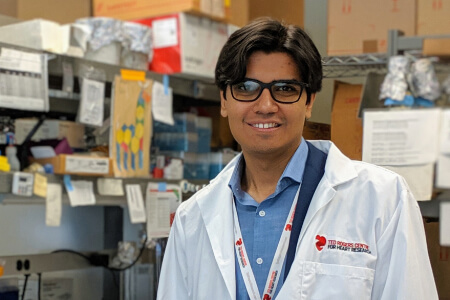
“This is a complex biological system where many factors interact in ways that are difficult to predict,” said Dr. Neal Callaghan, lead author of the study. “By using an algorithm-driven approach, we were able to identify conditions that significantly enhance cell maturation and narrow down the most important ones.”
Heart cells grown using C16 showed clear improvements across multiple measures of maturity. The cells became more organized and elongated, with stronger alignment of proteins involved in contraction. Functionally, these changes led to stronger, more coordinated contractions. In engineered heart tissues, the cells generated substantially greater force, indicating improved performance.
Electrical and Metabolic Changes Reflect Adult-Like Behavior
Mature adult heart cells remain electrically stable and contract only when stimulated, unlike immature fetal cells that beat spontaneously. Cells grown with C16 displayed this more adult-like behaviour, with stable electrical properties and no spontaneous beating. The researchers also observed faster, more efficient calcium handling and a shift toward more efficient energy use, both key features of adult heart function.
When tested in engineered cardiac tissues, the results were even more pronounced. Tissues grown with C16 produced stronger contractions and responded better to electrical stimulation, demonstrating the approach’s effectiveness in more complex systems.
A Step Toward More Accurate Heart Models
More mature lab-grown heart cells can improve how researchers study disease and test new therapies. Better models may lead to more accurate predictions of drug safety and effectiveness, and support advances in personalized medicine by enabling testing on patient-specific cells.
This study highlights the potential of combining computational methods with biological research to solve complex challenges. By optimizing how heart cells are grown, the team has taken an important step toward creating models that more closely reflect the adult human heart.
According to Professor Craig Simmons, Scientific Lead of the Translational Biology and Engineering Program, this approach represents a shift in how researchers tackle biological complexity. “Rather than relying on incremental changes that take a lot of time, we used an algorithm-driven strategy to explore how multiple factors work together to influence cell maturation, improving how closely these cells resemble the adult human heart.”
As the field advances, approaches like this may help bridge the gap between the lab and the clinic, supporting the development of safer, more effective treatments for patients with heart disease.
The Next Phase for C16
Beyond its scientific impact, this work has already led to promising results. The optimized C16 formulation is patent-pending and has been licensed to Axol Bioscience, a stem cell biotechnology company. Building on this momentum, Drs. Simmons, Callaghan, and Julie Audet co-founded boutIQ solutions, Inc., a start-up focused on using machine learning to optimize cell culture media. The team previously won the ECHO Pitch competition and the Building a Biotech Venture pitch competition for their work.
Together, these efforts highlight how this research is not only advancing fundamental science, but also translating into real-world applications with the potential to shape the future of regenerative medicine.
This work was funded by the University of Toronto Translational Biology & Engineering Program in the Ted Rogers Centre for Heart Research, the Canadian Institutes of Health Research, and the Stem Cell Network.
Photo Credit: Tim Fraser, KITE Studio