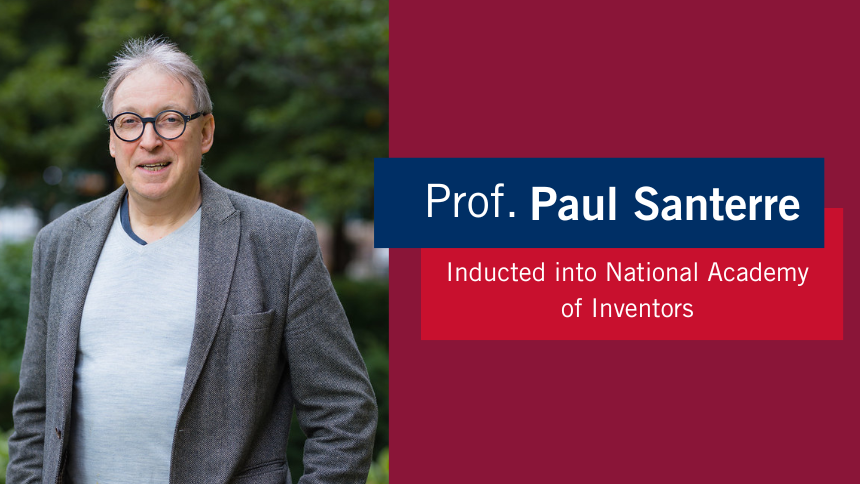
The Ted Rogers Centre for Heart Research is proud to celebrate an extraordinary milestone in the career of Dr. Paul Santerre, who has been elected as a Fellow of the National Academy of Inventors (NAI), the highest honour bestowed upon academic inventors. This distinction recognizes trailblazers whose innovations have meaningfully advanced quality of life, economic growth, and societal well-being. For the Centre, the announcement is also an opportunity to reflect on Dr. Santerre’s exceptional decade of leadership, collaboration, and scientific discovery as he prepares for retirement in 2026.
As professor at the University of Toronto’s Institute of Biomedical Engineering and an internationally renowned expert in polymeric biomaterials, Dr. Santerre has long been at the forefront of medical-device innovation and bioengineering. His pioneering work, which is supported by more than 70 patents and multiple successful start-up ventures, has shaped new generations of implantable materials, drug-device combinations, and tissue-engineering strategies used across cardiac care today. His recognition by the NAI joins a long list of accolades, including the Governor General’s Innovation Award, the Professional Engineers of Ontario Entrepreneurship Award, and the coveted Clemson Award from the U.S. Society for Biomaterials.
A Founding Vision for Collaboration
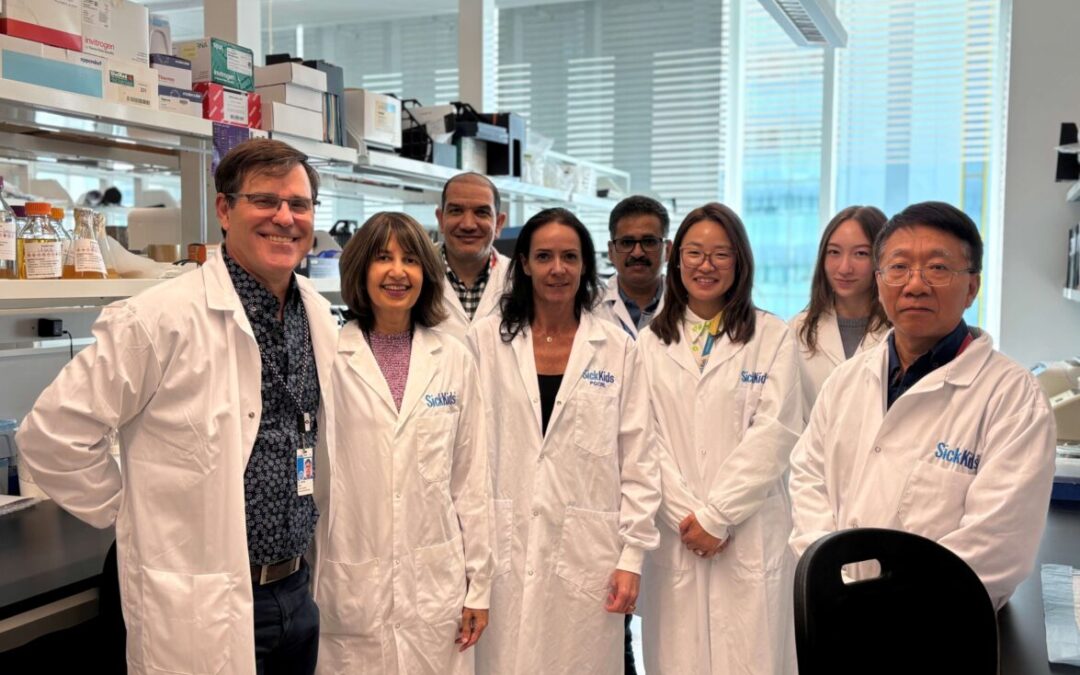
As a member of the original task force that advocated for a partnership between U of T, SickKids, and University Health Network, Dr. Santerre helped shape the vision that ultimately created the Centre in 2014. His belief that meaningful progress in heart failure research requires deep collaboration between clinicians, engineers, and scientists became a defining philosophy for the TRCHR.
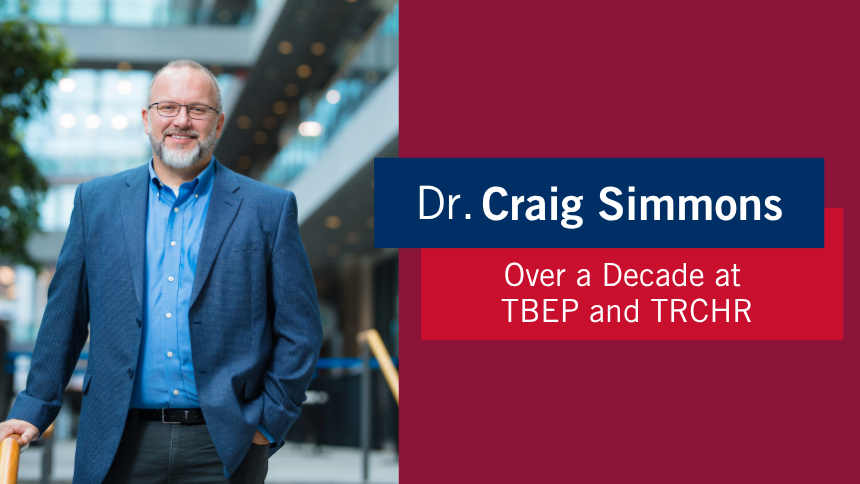
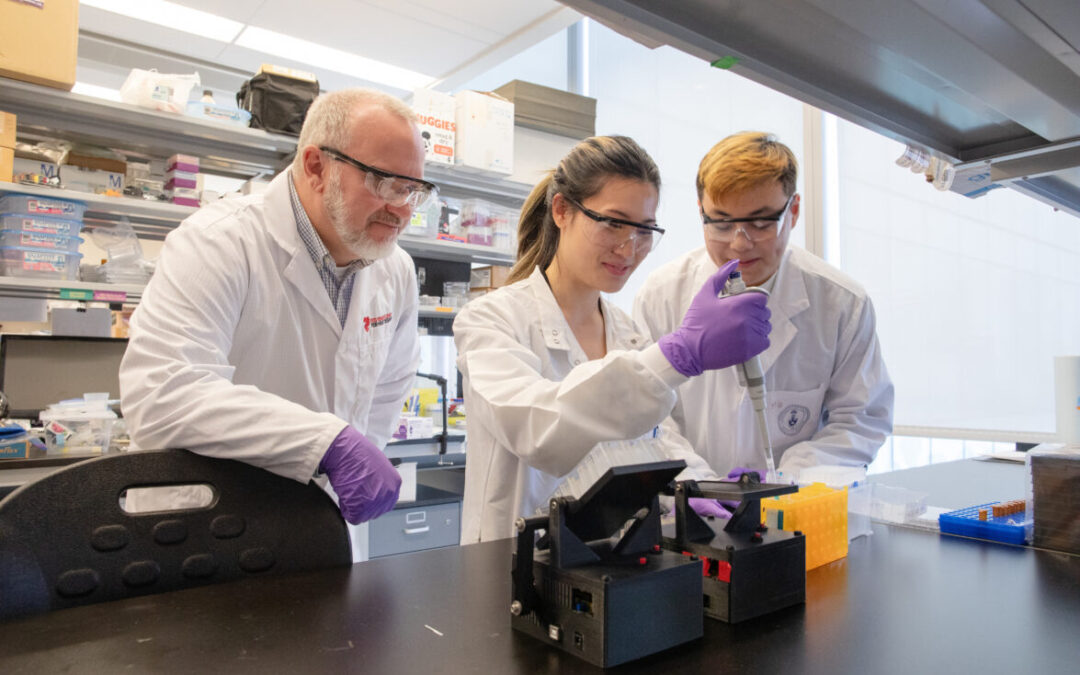
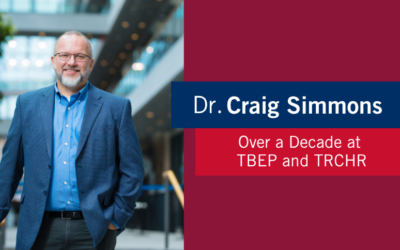
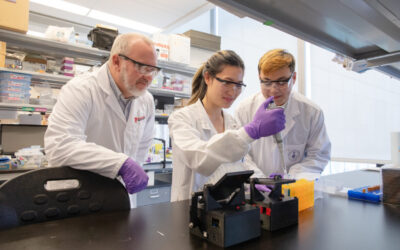
That collaborative spirit took tangible form through the creation of the Translational Biology and Engineering Program (TBEP), launched under the leadership of Dr. Craig Simmons. TBEP brought together researchers and trainees from Engineering, Dentistry, and Medicine into a shared open-lab environment, catalyzing breakthroughs in regenerative medicine, tissue engineering, and cardiac biology. Within this ecosystem, Dr. Santerre’s productivity and grant funding tripled, fueling the creation of new intellectual property in cardiac nanomedicine and enabling major Heart and Stroke Foundation and CIHR-funded initiatives across all three partner institutions.
Throughout his tenure at the Centre, Dr. Santerre has driven innovation in cardiac biomaterials, advancing foundational research that has influenced multiple modern interventional cardiology tools. Building on this, his TRCHR collaborations with pediatric surgeons, cardiologists, and basic scientists accelerated the development of biodegradable scaffolds, engineered blood vessels, and advanced tissue-regeneration strategies currently being tested in preclinical models.
Inspiring A New Generation of Innovation
Beyond his scientific achievements, Dr. Santerre co-founded the Health Innovation Hub (H2i) at U of T, a resource that has since supported more than 850 entrepreneurs, generating over $660 million in venture revenue. H2i’s model of mentorship, prototyping, and hands-on commercialization training has become an anchor for the Centre’s own entrepreneurship agenda, complementing TRCHR’s signature ECHO and ECHO Discovery programs and empowering start-ups working on fibrosis-reducing hydrogels, remote-monitoring patches, and other transformative technologies via TRCHR’s Translation and Commercialization Committee which he chairs.
The official induction of the 2025 NAI Fellows will take place during the 15th Annual NAI Conference, June 1–4, 2026, in Los Angeles, California. As we celebrate Dr. Paul Santerre’s induction as a Fellow of the National Academy of Inventors and reflect on his decade of leadership, we honour not only an exceptional innovator but a creator of systems, communities, and ideas that will continue shaping the future of heart research for years to come.