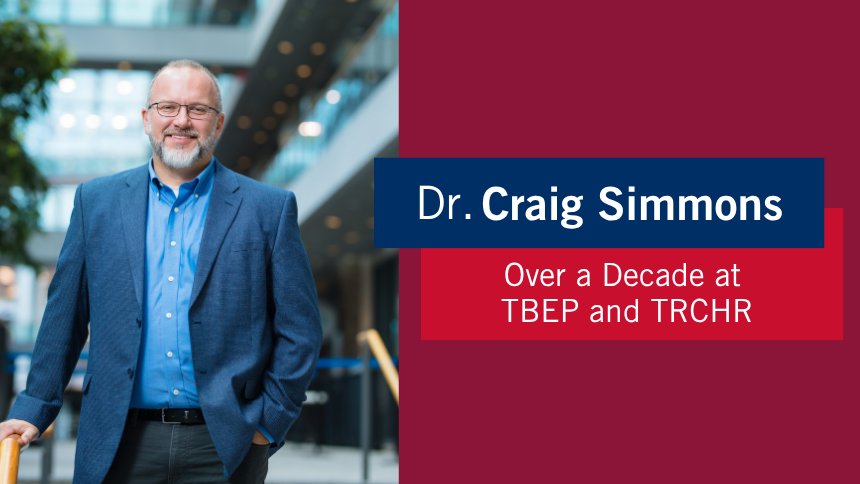
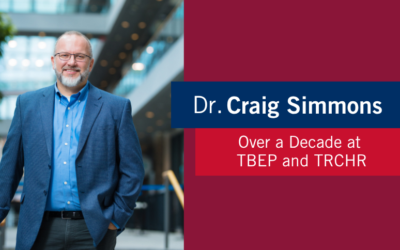
Over ten years ago, the Ted Rogers Centre for Heart Research (TRCHR) set out to put engineers, biologists, and clinicians in the same room and see what happens when they take on heart failure together. Dr. Craig Simmons was chosen to lead that effort. A University of...
A person walks into an emergency department with heart failure. Within hours, a doctor must make a consequential call to send them home or admit them to the hospital. Both options run their own risks – admitting the patient can lead to an unnecessary hospitalization...
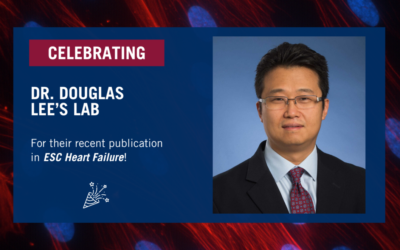
For researchers studying heart disease, lab-grown heart cells are an essential tool. Created from human stem cells, they offer a powerful way to model disease, test therapies, and better understand heart function. However, the challenge remains that these cells behave...
For children living with cardiomyopathy, heart failure is not always caused by the heart losing its ability to pump. In many cases, the problem is more subtle, but just as serious: the heart becomes stiff and struggles to relax and fill properly between beats. This...
New findings from the UNEARTH CVD research team have shed light on an important but often overlooked aspect of cardiovascular care: the cognitive health of people living with heart failure. Published in Cureus, this new publication is the first study to examine...
The Ted Rogers Centre for Heart Research is proud to celebrate an extraordinary milestone in the career of Dr. Paul Santerre, who has been elected as a Fellow of the National Academy of Inventors (NAI), the highest honour bestowed upon academic inventors. This...
3D models of heart failure… stiffened hearts in diabetes…. saving infant lives
After a heart attack, this peptide protects the heart from further injury
Featured Event
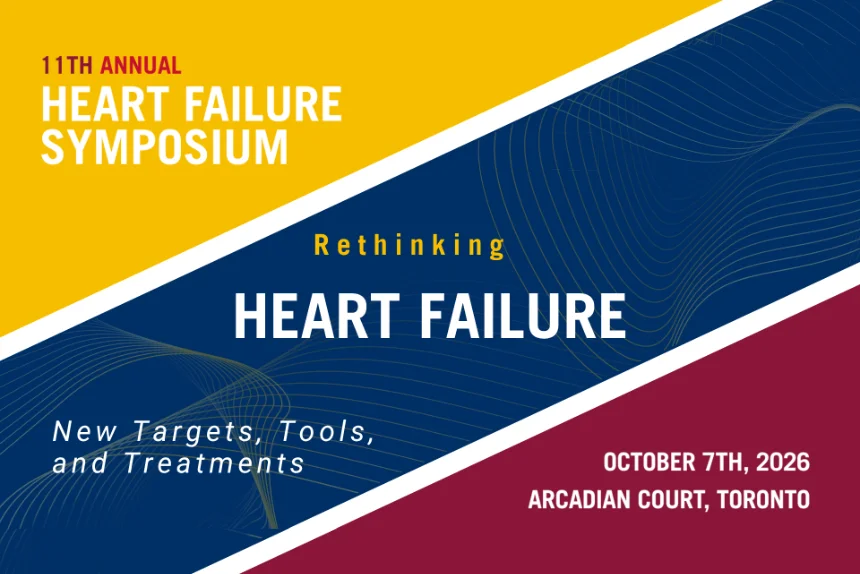
2026 Heart Failure Symposium
Virtual Library
Visit our YouTube channel filled with world-class heart failure educational sessions on diverse topics
As we explore advancements in heart failure research, care, and innovation, we can see the field rapidly advancing in the areas of mitochondrial function and metabolism. The Mitochondria Innovation Initiative (MITO2i), an Institutional Strategic Initiative at the University of Toronto (U of T), and the Ted Rogers Centre for Heart Research (TRCHR) have already combined forces to explore this connection. In 2022, MITO2i partnered with TRCHR to initiate the first co-funded cardiovascular and mitochondria research call for the Toronto community. The objective of these Innovation Seed Grants was to generate new knowledge, promote innovation, support interdisciplinary research and collaboration, and fund projects that possess the most promise in transforming how we prevent, diagnose, and treat mitochondrial disease, heart failure, and associated conditions.
Together, MITO2i and TRCHR co-funded a project by Dr. Slava Epelman, clinician-scientist at the University Health Network (UHN), looking at how “Macrophage Support of Cardiomyocyte Mitochondrial Homeostasis Underlies Enhanced Function of Human Bioengineered Cardiac Microtissues.” The project was co-led by Dr. Milica Radisic, Professor, Department of Chemical Engineering & Applied Chemistry at U of T, and collaborators included Dr. Gordon Keller and Dr. Michael Laflamme, both Senior Scientists at the McEwen Stem Cell Institute, UHN. The study uses a heart-on-a-chip model that imitates physiological properties of the human heart, with a focus on understanding mitochondrial function. The work aims to provide a better understanding of remuscularization and poor electrical integration after transplantation for patients with ischemic heart failure. This study was published in Cell Stem Cell in 2024 (Landau, S. et al.).
Heart Research in the MitoRevolution Project
In 2025, Dr. Ana Andreazza, Scientific Director of MITO2i and Professor in the Departments of Pharmacology & Toxicology and Psychiatry at U of T, and a team of co-PIs from U of T’s Faculty of Engineering and clinical members at UHN and Unity Health Toronto were awarded an NFRF-Transformation Grant. The funding supports the MitoRevolution Project, “Mitochondrial Transplantation Transforming Regenerative Medicine – from research to patient care to global impact.”
This project aims to transform regenerative medicine by advancing mitochondrial transplantation. This technique restores function in damaged cells, tissues, and organs by supplying them with healthy mitochondria. These mitochondria can come from a person’s own cells (autologous), from a human donor (allogeneic), or from another species (xenogeneic). The team is studying how mitochondrial transplantation affects ex vivo organ perfusion, where donor organs keep functioning outside the body before transplant. The goal is to increase the number of viable donor organs for lung, kidney, liver, and eventually heart transplants. Heart-on-a-chip models are being used to study the effects of mitochondrial transplantation after a heart attack (myocardial infarction).
Mitochondria Research at the Ted Rogers 2026 Heart Failure Symposium
This rapidly growing area of research was featured at TRCHR’s 11th Annual Heart Failure Symposium on Wednesday, October 7, 2026. Dr. Marcelo Cypel, Co-Scientific Director of MITO2i and co-PI on MitoRevolution, opened the first session as keynote speaker with his talk, “Mitochondrial Manipulation and Transplantation to Improve Donor Organ Quality.”
Dr. James McCully, Associate Professor of Surgery at Harvard Medical School and one of the innovators of mitochondrial transplantation, delivered the keynote for the Mitochondrial Health and Metabolism session with “Mitochondrial Transplantation as a Therapeutic Strategy.” In addition, Dr. Andreazza and Dr. Epelman presented in this session, with talks on “Mitochondrial Therapeutics in Tissue Regeneration and Repair: The MitoRevolution” and “Macrophage-Mediated Mitochondrial Clearance in Tissue Injury and Repair,” respectively.
Together, these talks showed how widely mitochondrial research is reaching across heart health, and why interdisciplinary collaboration will be key to moving the field forward.
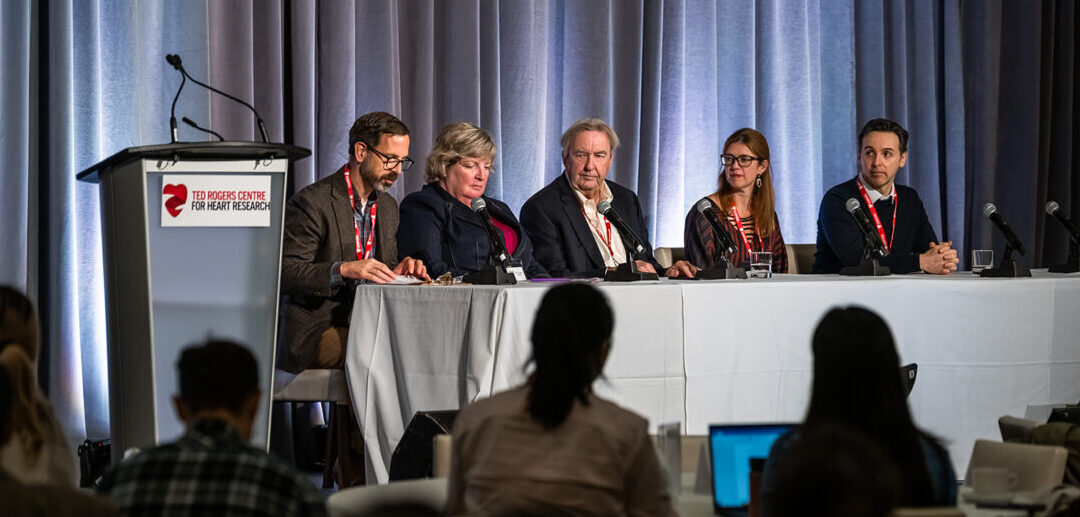
Panel from left to right: Dr. Jason Fish, Senior Scientist, Peter Munk Cardiac Centre, UHN Research Institutes; Dr. Michelle Bendeck, Professor, Laboratory Medicine and Pathobiology at U of T; Dr. James McCully, Associate Professor of Surgery at Harvard Medical School; Dr. Ana Andreazza, Scientific Director of MITO2i, Professor in the Department of Pharmacology & Toxicology and the Department of Psychiatry at U of T; and Dr. Slava Epelman, Clinician-Scientist at UHN.
The Future of Mitochondria and Heart Research
As this interdisciplinary area of research continues to grow, MITO2i and TRCHR look forward to building on their partnership and supporting new collaborative projects. Working with the TRCHR community, MITO2i has already identified links between mitochondrial health and several heart conditions, including ischemia-reperfusion injury, arrhythmogenic right ventricular cardiomyopathy, and pulmonary arterial hypertension. MITO2i welcomes further collaboration with the TRCHR community to uncover new connections between mitochondria, metabolism, and heart disease.
MITO2i will host the MITO2026 Conference, focused on mitochondrial transplantation, on November 30 and December 1, 2026, in Ottawa. The 2nd Annual MitoRevolution Research Symposium and Innovation Day will take place in Toronto in fall 2027.
Learn more about MITO2i and its Innovation Scholars at MITO2i.ca. You can also sign up as a member to receive updates on announcements and breakthroughs in the field.
This is just the beginning of bridging mitochondrial and heart research to advance heart failure research, care, and innovation.