For children living with cardiomyopathy, heart failure is not always caused by the heart losing its ability to pump. In many cases, the problem is more subtle, but just as serious: the heart becomes stiff and struggles to relax and fill properly between beats. This condition, known as diastolic dysfunction, is one of the leading drivers of heart failure in pediatric cardiomyopathy, and yet it remains one of the most difficult to diagnose, predict, and treat.
Unlike systolic heart failure, where weakened pumping function can be measured relatively easily, diastolic dysfunction is harder to detect and can vary widely across children. Clinicians often lack clear biomarkers or molecular tools to understand who is at risk, why the condition develops, or how best to intervene early.
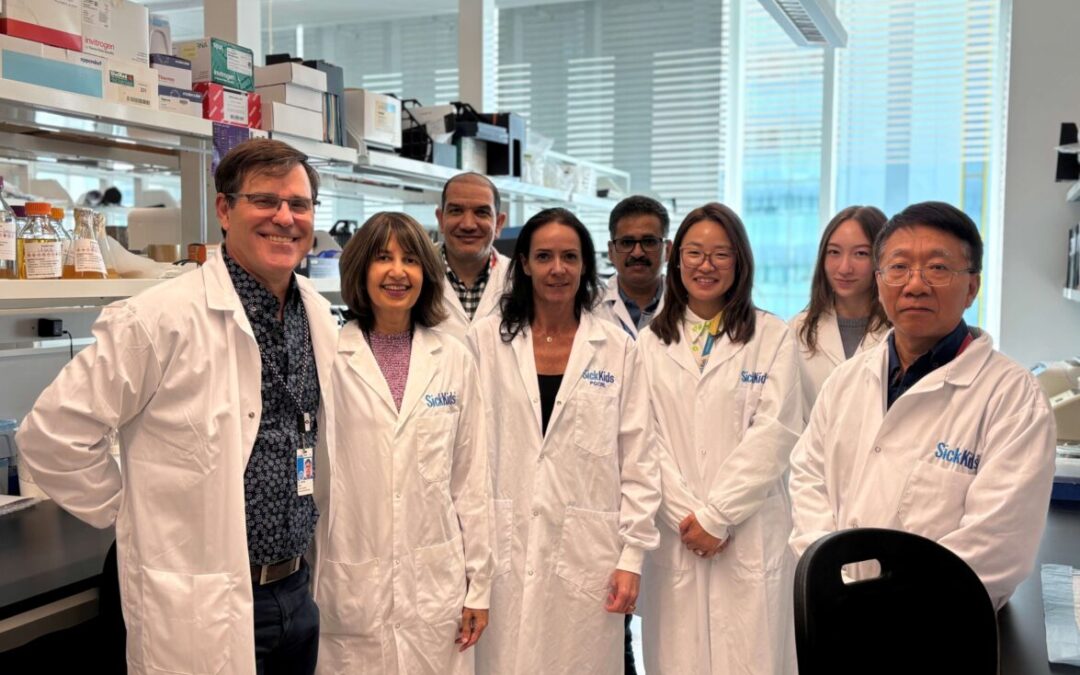
For Dr. Seema Mital, Scientific Co-Lead at the Ted Rogers Centre for Heart Research and Head of Cardiovascular Research at SickKids, this clinical uncertainty represents a major gap in pediatric cardiovascular care and a major opportunity for discovery. If researchers could identify the biological mechanisms driving diastolic dysfunction in children, it could open the door to more targeted therapies and improve outcomes for patients whose options are currently limited.
A Multi-Omics Approach to Understanding Heart Failure in Children
To tackle this challenge, Dr. Mital and collaborators recently led a major study published in JACC: Basic to Translational Science using a powerful research strategy known as integrative multi-omics—a method that combines multiple layers of biological data to understand what is happening inside the body at a molecular level.
The team studied 78 children with different forms of cardiomyopathy, including dilated cardiomyopathy, hypertrophic cardiomyopathy, restrictive cardiomyopathy, and arrhythmogenic cardiomyopathy. They then analyzed the abundance of messenger RNA, protein and fat molecules in heart muscle, in blood, and in beating heart cells grown from patient stem cells and developed machine learning models that characterize diastolic dysfunction.
By combining these approaches, the team aimed to identify whether children with diastolic dysfunction share a distinct biological marker, regardless of the type of cardiomyopathy they have.
A Clear Molecular Signature Emerges
What they found was striking. Across multiple cardiomyopathy subtypes, children with diastolic dysfunction showed a consistent and highly specific molecular pattern, one that pointed to a surprising result: abnormal lipid signaling.
In simple terms, lipid signaling refers to how cells process and respond to fats. Fats are not only an energy source, they are also critical building blocks and signaling molecules that influence inflammation, metabolism, and cell health. In detail, thousands of lipid molecules exist and can be scanned by mass spectrometers that work like an ultra-performance magnifying glass. In children with severe diastolic dysfunction, the researchers found that heart tissue showed increased activity of genes involved in fat production and fat storage, along with evidence of reduced ability to properly break down fats for energy.
This signature was especially prominent in restrictive cardiomyopathy, a rare but severe pediatric condition often characterized by advanced diastolic failure. However, the same molecular pattern also appeared in certain children with hypertrophic cardiomyopathy and arrhythmogenic cardiomyopathy, suggesting that diastolic dysfunction may represent its own biological subtype of heart failure rather than simply a consequence of heart disease progression.
Machine Learning Could Accurately Identify Diastolic Dysfunction
To test whether this gene signature could be used predictively, the team developed a machine learning model using a panel of 26 genes associated with the restrictive cardiomyopathy profile. The results were highly promising: the model was able to classify diastolic dysfunction with strong accuracy, even when applied across cardiomyopathy subtypes.
This finding suggests that in the future, molecular tools may help clinicians move beyond imaging alone, providing a more objective way to detect diastolic dysfunction and identify which children may be at highest risk of progression.
A Metabolic Fingerprint in the Blood
The team then asked an important follow-up question: If lipid signaling is abnormal in the heart muscle, could those changes also be detected in the blood?
Using advanced lab technology to scan the blood for fat molecules to see which ones were different in children with diastolic dysfunction, they discovered that children with diastolic dysfunction had a distinct circulating lipid profile. “What stood out most was how clearly the lipid profiles separated children with diastolic dysfunction from those without it,” said Dr. Matthieu Ruiz, Professor of Medicine at the Université de Montréal and the lipidomics expert on the study. “These findings point to lipid-based signatures that could support earlier diagnosis and more personalized monitoring over time.”
Most notably, these children showed:
- higher levels of triglycerides containing saturated fats
- lower levels of triglycerides containing unsaturated fats
- reduced levels of certain lipid types involved in cell membranes and metabolic balance
This matters because it raises the possibility of developing blood-based biomarkers—a less invasive tool that could one day help physicians monitor diastolic dysfunction earlier, track disease progression, or identify response to therapy.
Patient-Derived Heart Cells Revealed What Was Happening Inside the Heart
To better understand what these molecular findings meant at a functional level, the researchers turned to patient-derived induced pluripotent stem cells (iPSCs).
Using cells taken from children with cardiomyopathy, the team generated stem cells and then converted them into beating heart muscle cells in the lab. These patient-derived cardiomyocytes allowed the researchers to directly observe how the disease affects the heart at the cellular level. In the lab-grown heart cells from children with diastolic dysfunction, the team observed excess fat inside the cells and evidence of mitochondrial dysfunction, meaning the cells’ energy-producing structures were not working properly.
This finding helped confirm that the gene and lipid signatures identified in the patient heart tissue were not just abstract molecular signals, they reflected real metabolic dysfunction affecting heart cell performance.
A Potential Treatment Target Emerges: Semaglutide
Perhaps the most translationally exciting discovery came when the researchers tested whether these cellular abnormalities could be improved. When patient-derived cardiomyocytes were treated with semaglutide, a medication currently used in adults to treat type 2 diabetes and obesity, the team found that key features of lipid accumulation and mitochondrial dysfunction improved.
While semaglutide is not currently approved as a heart failure treatment in children, this result suggests that lipid signaling pathways may be actionable and druggable targets for pediatric cardiomyopathy patients with diastolic dysfunction. Rather than focusing solely on symptom management, this opens the door to future therapies that target the underlying metabolic drivers.
The Future of Pediatric Heart Failure Care
Diastolic dysfunction in children has long been a clinical challenge: difficult to define, difficult to predict, and difficult to treat. This study helps shift the field forward by identifying diastolic dysfunction as a distinct molecular phenotype—one that may be rooted in metabolic dysfunction and abnormal fat processing.
According to Dr. Mital, this future pathway is a big win on the road to helping children and families with cardiomyopathy. “Diastolic heart failure is one of the most challenging forms of heart failure to diagnose and treat in children, in part because we’ve lacked a clear understanding of what’s driving it at the molecular level. By combining gene expression, lipid profiling, and patient-derived heart cell models, this study helps define diastolic heart failure as a distinct biological subset of pediatric cardiomyopathy, one that may offer new opportunities for targeted therapies.”
Most importantly, this research provides a path toward precision medicine approaches for diastolic heart failure in children, offering hope for more personalized care, earlier intervention, and improved long-term outcomes. As pediatric cardiomyopathy remains one of the leading causes of heart transplantation in children, discoveries like this represent a critical step toward changing what the future looks like for families facing these diagnoses.
The team is grateful to the patients and families who participated in this research and helped make these discoveries possible through their samples in the SickKids Heart Centre Biobank. This work was supported by funding from the Canadian Institutes of Health Research Project Grant, the Ted Rogers Centre for Heart Research Strategic Innovation Award, and the Canadian Institutes of Health Research Canadian Heart Function Alliance.