Translational Biology and Engineering Program (TBEP)
Program Overview
Driven by the shared vision of engineers, biologists, and clinician-scientists working side by side, the Translational Biology and Engineering Program (TBEP) addresses the multifaceted challenges of heart failure through end-to-end translational research. TBEP teams decode the genetic, molecular, and biomechanical triggers of cardiac pathology, rapidly transforming basic discoveries into novel biomaterials, physiologic 3D tissue models, and non-invasive biosensors.
From reactivating endogenous repair pathways and intercepting cardiac fibrosis to tracking remote patient hemodynamics through smart textiles, TBEP pioneers precision strategies to diagnose, treat, and halt heart disease earlier. Supported by dynamic clinical and industry networks and an interdisciplinary training hub of over 120 future cardiovascular research leaders, TBEP is commited to closing gap between benchside innovation and transformative clinical outcomes.
Focus Areas
-
Repair and regenerate heart tissue
The human heart possesses a remarkable capacity of self-repair early in life, this regenerative potential declines with maturity. At TBEP, our researchers are working to reactivate these dormant repair pathways, merging engineering precision with biological discovery to restore functional myocardium after injury. True cardiac regeneration requires not only delivering the right therapeutic building blocks, but also engineering a receptive host microenvironment. Our teams focus on three key pillars:
- Bioengineered Materials: Designing smart, biocompatible matrices and hydrogels that enhance cell survival, retention, and electrical integration within native tissue.
- Microenvironment priming: Developing targeted strategies to remodel dense scar tissue, mitigating stiffness and creating a favorable niche for regeneration.
- Next-Generation Therapeutics: Developing advanced delivery systems for stem cells, biologics, and signalling moleculaes to promote vascularization and long-term functional recovery.

-
Tracking Molecular Pathways of Heart Failure & Fibrosis
Cardiac fibrosis is a primary driver of heart failure, yet the underlying cellular and mechanical triggers remain among the most critical challenges in cardiovascular medicine. At TBEP, we combine high-resolution molecular profiling, proteomics, and mechanobiology to map the complex pathways governing disease progression and therapeutic intervention. Our multidisciplinary approach focuses on:
- Target and Biomarker Discovery: Identifying novel molecular signatures, protein networks, and circulating biomarkers to detect pathological tissue remodeling at its earliest stages.
- Minimally invasive diagnostics: Developing advanced monitoring tools and imaging strategies to track fibrotic progression in real time without invasive procedures.
- Translational Drug Screening: Implementing predictive physiological assays to evaluate emerging antifibrotic therapeutics and halt adverse cardiac remodeling.
- Global Research Acceleration: Driving high-impact international collaborations and multidisciplinary training to accelerate clinical translation.
-
Building advanced model systems
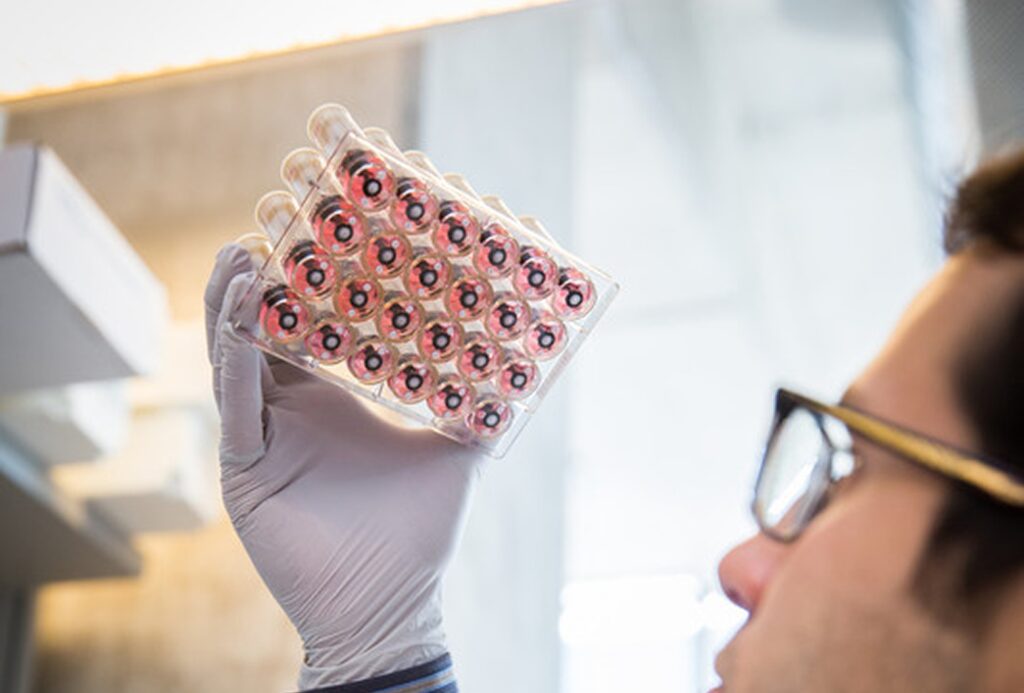
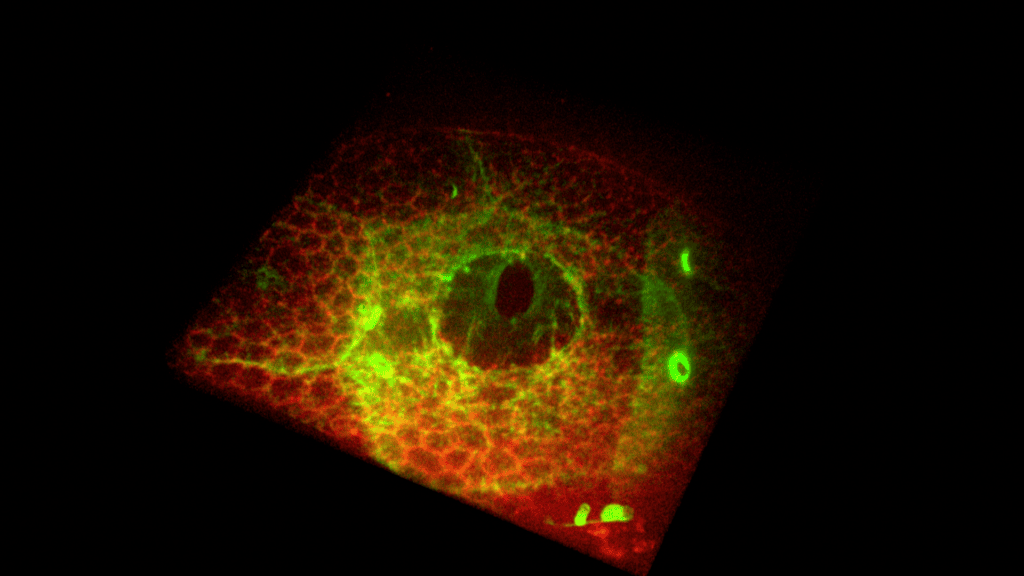
Standard 2D cell culture models fail to capture the complex mechanical and biological realities of the human heart. TBEP researchers engineer advanced micro-physiological systems, 3D biomimetic tissues, and organ-on-a-chip platforms that accurately recapitulate the native physiological conditions of human cardiac muscle, heart valves, and vascular networks. Complementing these engineered human platforms, our teams also use quantitative in vivo embryonic and Drosophila models to uncover the cellular mechanics and molecular dynamics governing early cardiac morphogenesis and scar-free tissue repair.
By bridging the gap between bench-side biology and clinical relevance, our human-derived cell models and advanced tissue platforms provide high-fidelity environments to dissect disease mechanisms, rapidly screen novel therapeutics, and validate targeted heart failure interventions before clinical translation.
-
Comorbidities of heart failure
Understanding and Targeting Comorbidities of HF rarely occurs in isolation. TBEP teams investigate the complex molecular, microvascular, and systemic pathways through which common co-morbidities – including hypertension, T2D and cardiotoxic adverse effects from autoimmune therapeutics – initiate and accelerate HF progression.
Our labs also focus on downstream systemic consequences of cardiovascular diseases, with dedicated initiatives addressing congnitive decline, cerebral hypoperfusion and neurocognitive fatigue in HF patients by dissecting cellular responses, inflammatory signals and metabolic dysfunction to identify dual-action therapeutic targets. We do this by exploring innovative translational strategies and by developing holistic diagnostic and therapeutic approaches that treat HF with a context of whole body physiology.
-
Sensor technology
We advance Biosensor Technology for Personalized Care Empowering HF patients to remain safe and stable at home with continuous, real-time physiological tracking. Our TBEP engineers and clinician-scientists develop non-invasive biosensors, wearable devices, and smart platforms that transform condition management into proactive, person-centered care.
TBEP’s core innovations in this domain include:
- Wearable Microelectronics and Smart Textiles integrating flexible, biocompatible sensor arrays into everyday fabrics to continuously monitor key hemodynamic markers, such as heart rate, blood pressure and fluid retention – without disrupting daily life.
- Real-Time Data Integration developing intelligent monitoring platforms that deliver continuous biometric insights directly to patients and clinical teams, enabling early intervention before acute decompensation occurs.
- Next-Generation Care Delivery Co-creating noel digital health frameworks that embed remote physiological monitoring directly into patient care workflow, reducing avoidable hospital admissions and improving long-term outcomes.
-
A unique training program
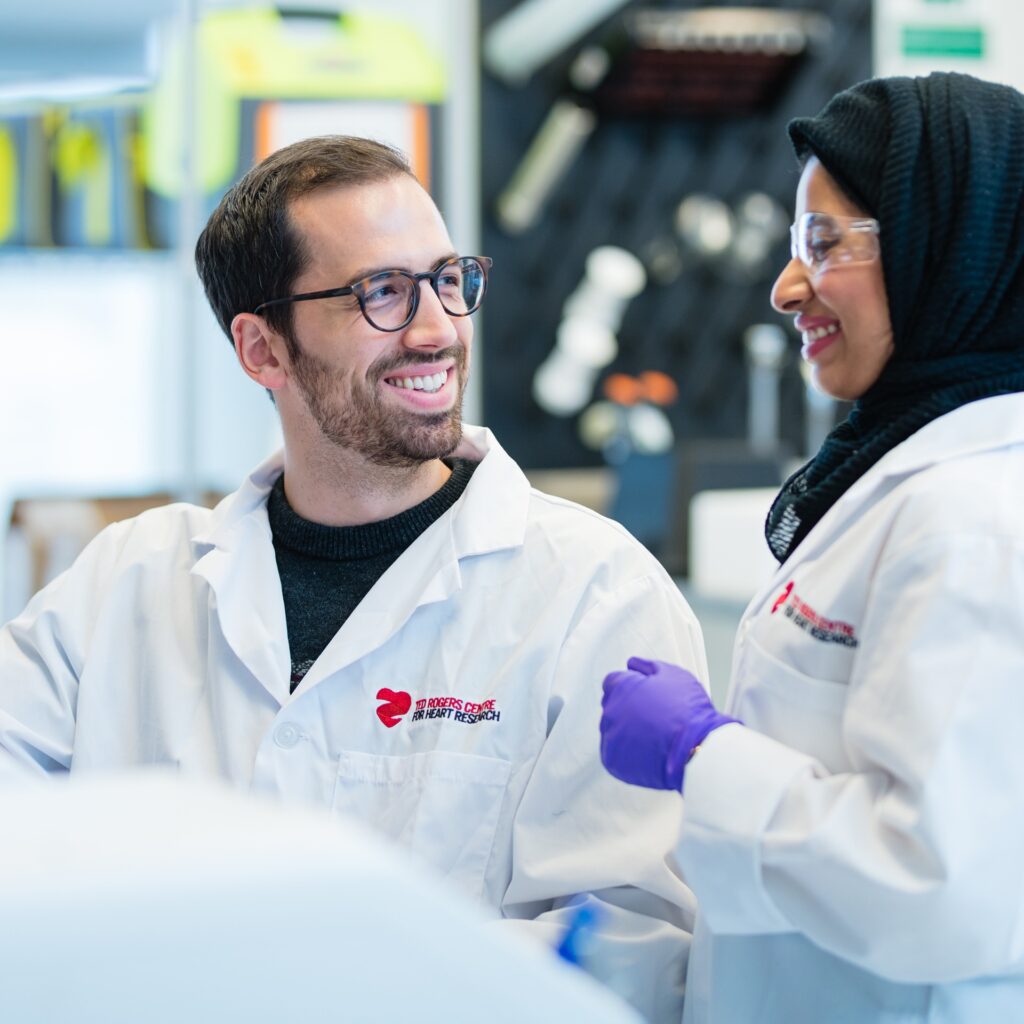
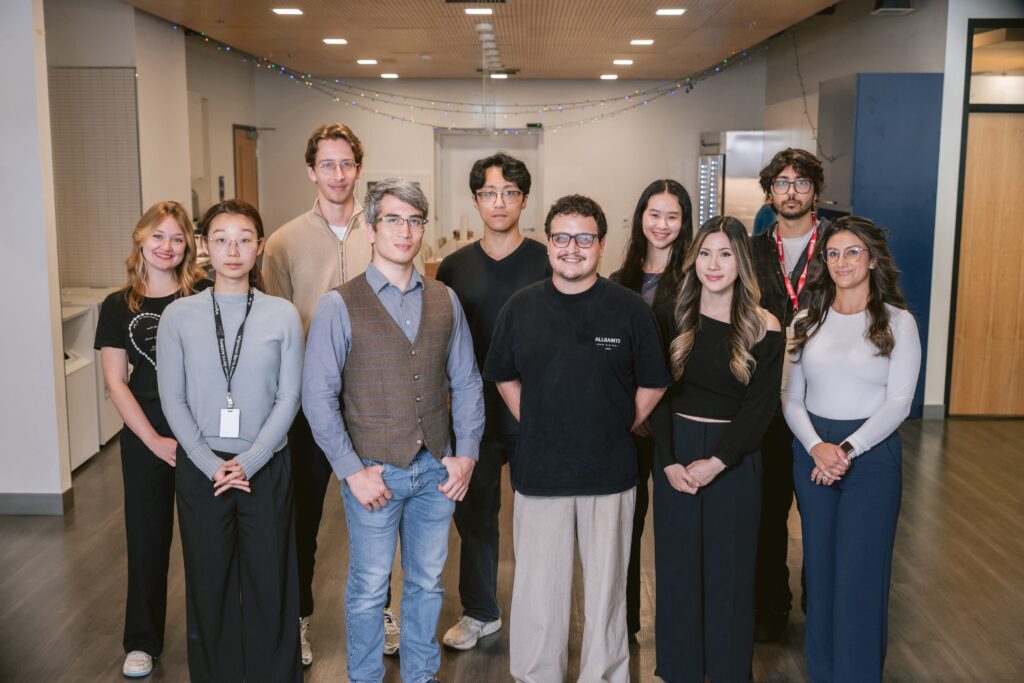
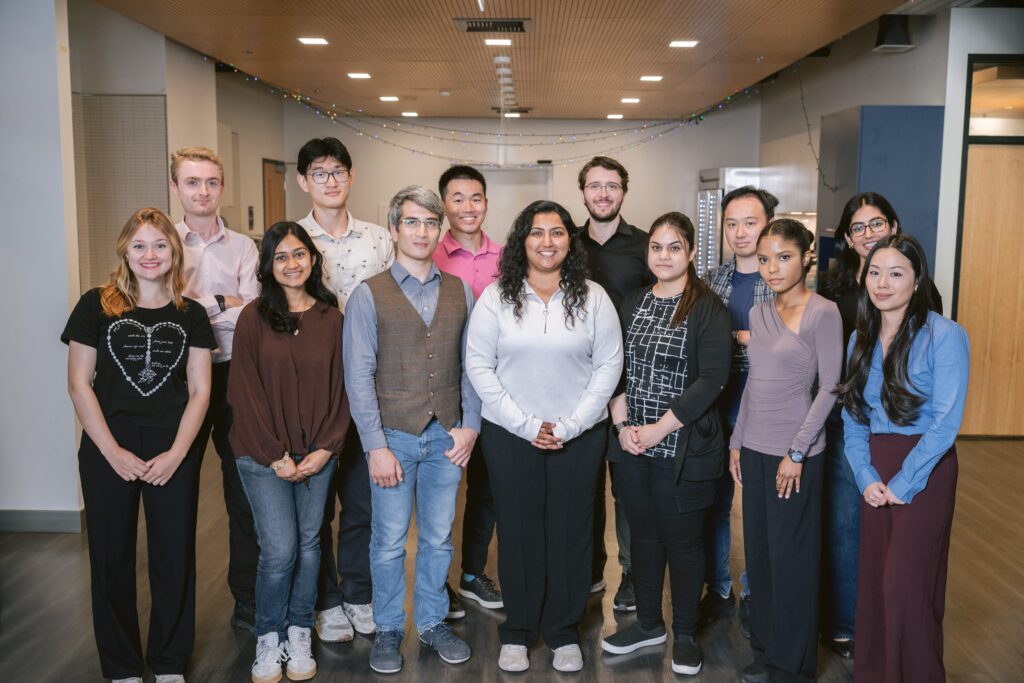
TBEP serves as a dynamic training hub for over 120 graduate students, post-doctoral fellows, and undergraduate researchers spanning nine U of T departments. Working alongside world-leading investigators at the intersection of engineering and medicine, our trainees regularly author high-impact publications, secure competitive national and international scholarships, and earn prestigious research distinctions.
As a core center within Ted Rogers Centre for Heart Research, TBEP provides hands-on mentorship across fundamental discovery and clinical translation:
- Multidisciplinary Research Environments: immersing trainees in collaborative labs that integrate biomaterials, cellular mechanics, computational modeling and cardiovascular physiology.
- Dedicated undergraduate Summer Program: offering intensive, faculty-mentored summer research that provides direct insight to cardiovascular innovation.
- Translational Career Development: equipping the next generation of Biomedical scientists, bioengineers and clinician-investigators with technical and commercialization acumen needed to lead healthcare transformation.
Life at TBEP
-
Education Committee(opens in a new tab)
The TBEP EC is a student-led initiative that fosters collaborations, inclusion, and professional growth through meaningful programming such as professional development workshops, lab chats, and curated seminars. -
Sustainability Committee(opens in a new tab)
Newly formed in early 2026, the TBEP SC seeks to reduce TBEP’s collective environmental footprint by promoting sustainable research practices and participating in programs like My Green Lab. -
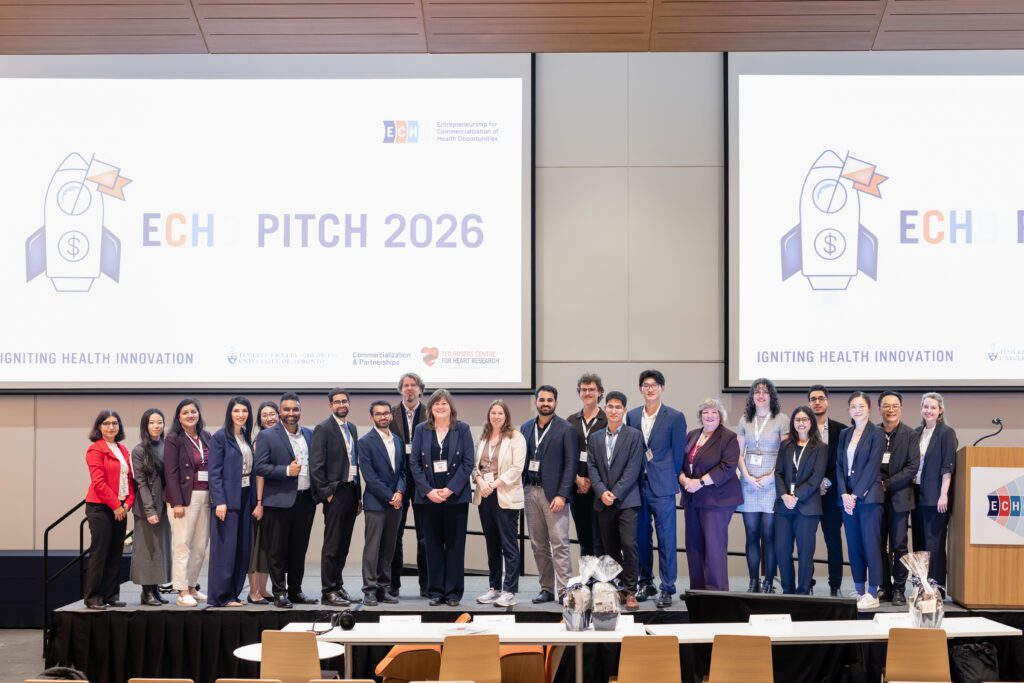
ECHO PITCH
ECHO (the Entrepreneurship for Commercialization of Health Opportunities program) helps researchers, clinicians, and trainees turn cardiovascular and health innovations into real-world ventures.
Program Capabilities
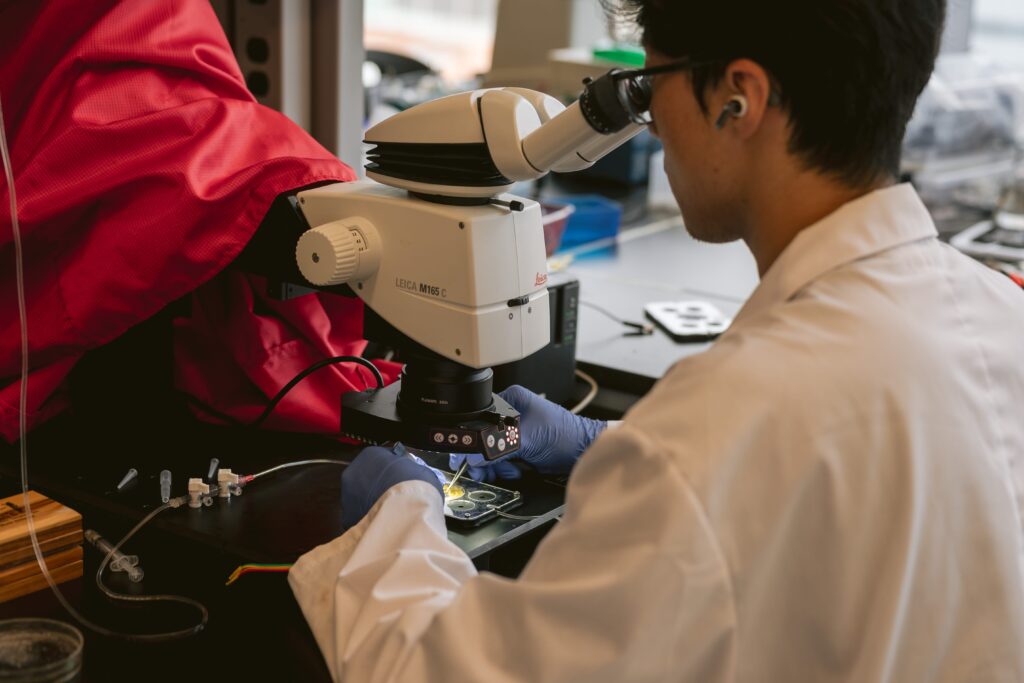
- Medical imaging and microscopy
- Animal surgery and physiological monitoring
- Advanced preclinical models of CVD
- Genomic and proteomic methods to detect biomarkers
- Biomaterial synthesis and characterization
- Polymer processing and coating
- Microfabrication of in vitro diagnostic devices
Contact Us
Our Research, By the Numbers
A decade of collaboration between engineers and clinicians, told through the numbers.
-
Sq ft Space
26,000
-
Science and Engineering Labs
10
-
Researchers
120+
TBEP Researchers
Browse our catalogue of researchers at the Translational Biology and Engineering Program.
-
Azadeh Yadollahi
Scientific Director, Translational Biology and Engineering Program (TBEP)
University of Toronto
-
Craig Simmons
Associate Director of Scientific Research, Institute of Biomedical Engineering
University of Toronto
-
-
-
Rodrigo Fernandez-Gonzalez
Professor, Biomedical Engineering and Cell and Systems Biology
University of Toronto
-
Hai-Ling Margaret Cheng
Professor, Biomedical Engineering and Electrical & Computer Engineering
University of Toronto
-
-
Slava Epelman
Loretta Rogers Chair in Immunobioengineering, Ted Rogers Centre for Heart Research
University Health Network
-
Daniel Franklin
Ted Rogers Chair in Cardiovascular Engineering, Ted Rogers Centre for Heart Research
University of Toronto
-
-
Elizabeth Chiu
Operations & Research Officer, Translational Biology and Engineering Program (TBEP)
University of Toronto
-
James Sandau
Operations & Administrative Coordinator, Translational Biology & Engineering Program (TBEP)
University of Toronto
-
Gursonika Binepal
Research Program Manager, Translational Biology and Engineering Program (TBEP)
University of Toronto