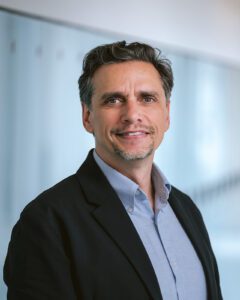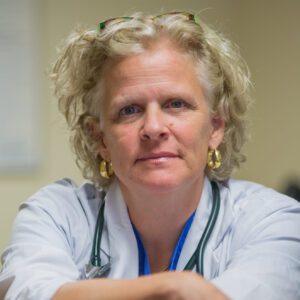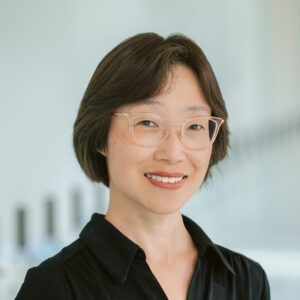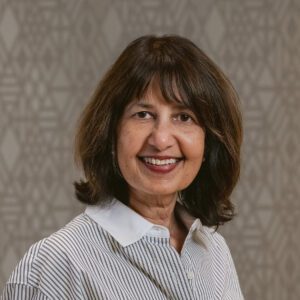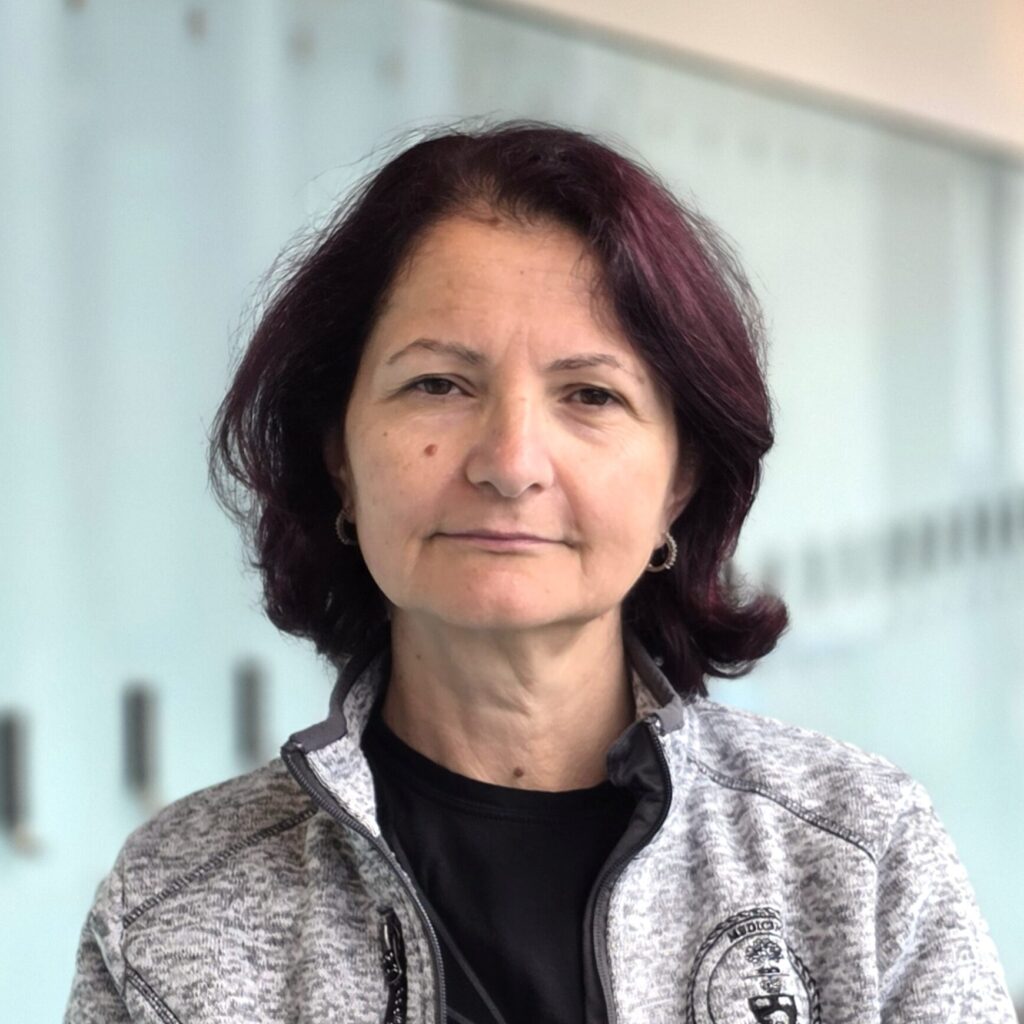
A middle-aged woman with dark, shoulder-length hair wearing a grey zip-up jacket.

Phyllis Billia

MD, PhD, FRCPC, FACC, FCCS

  • Ted Rogers and Family Chair in Heart Function, Ted Rogers Centre for Heart Research
  • Senior Scientist, Toronto General Hospital Research Institute
  • Medical Director, Mechanical Circulatory Support Program
  • Director, Peter Munk Cardiovascular Biobank
  • Associate Professor, Faculty of Medicine, University of Toronto

Research Focus Areas

  • Cardiac Regeneration
  • Cardiomyocyte Cell Cycle
  • Stem Cell Disease Modeling

Overview

Phyllis Billia, also known as Filio Billia, is a Senior Scientist at the Peter Munk Cardiac Centre Research Institute and holds the Ted Rogers and Family Chair in Heart Function at University Health Network. Her research interests centre on cardiac regeneration, cardiomyocyte cell cycle biology, and stem cell disease modeling, studying how tumor suppressors and metabolic regulators might coax the terminally differentiated cardiomyocyte back into the cell cycle to enable heart repair after injury. In addition, she is interested in translational research in cardiogenic shock and cardiac transplantation.

Among her recent contributions, her work with Anthony Gramolini has focused on defining proteomic signatures in patients with end-stage heart failure. She completed her medical and research training at the University of Toronto, including a PhD in Medical Biophysics, and a postdoctoral fellowship with Tak W. Mak, a world-renowned immunologist, at the Campbell Family Institute for Cancer Research, an unusual training path that brought cancer biology methods directly into her heart failure research. She is also Medical Director of the Mechanical Circulatory Support Program and Director of the Peter Munk Cardiovascular Biobank.

Collaborators would find her cancer-biology approach to cardiac regeneration particularly valuable for projects on heart repair after injury.

Published Research

Showing 4 out of 79 results

  • Comparative Strategies to Overcome Diuretic Resistance in Heart Failure

    2026 | JACC: Advances

    Ivna GCV. Lima, Jairo T. Nunes, Adriana C. Luk, Darshan H. Brahmbhatt, Lucas C. Godoy, Michael McDonald, Filio Billia, Edimar A. Bocchi

  • Evaluation of restrictive left ventricular physiology on echocardiography in heart transplant recipients and early angiographic cardiac allograft vasculopathy.

    2026 | JHLT open

    Roscoe Lim, Lebei Pi, Abigal McDonald, Harun Abdullah, Victor Leal Alcantara, Yasbanoo Moayedi, Juan Duero Posada, Ana Carolina Alba, Michael McDonald, Filio Billia, Natasha Aleksova

  • Blood-based epigenetic instability linked to human aging and disease

    2026 | Nature Communications

    Salman Basrai, Ido Nofech-Mozes, Rajesh Detroja, Fernando L. Scolari, Mehran Bakhtiari, Andrea Arruda, Tracy Murphy, Scott V. Bratman, Steven M. Chan, Mark D. Minden, Jae Sook Ahn, Dennis D. H. Kim, Robert Kridel, Filio Billia, Sagi Abelson

  • Transcriptomic analysis of human induced pluripotent stem cell cardiomyocytes and myocardial tissue reveals novel role for miR-9-5p in hypertrophic cardiomyopathy

    2026 | Biorxvi

    Doris M.T. Adao, Heta Lad, Mingyi Tang, Sophia G Lopez, Filio Billia, Craig A Simmons

Research Laboratory

Billia’s laboratory examines the molecular underpinnings of disease progression in patients with heart failure, funded by the Canadian Institutes of Health Research and the Heart and Stroke Foundation of Canada. Her group studies how tumor suppressors and regulators of metabolism can coax the terminally differentiated cardiomyocyte back into the cell cycle, potentially opening a path to cardiac repair after injury – work that borrows conceptually from cancer biology, where researchers study how to stop cells from dividing rather than start them. The lab has identified molecular signatures present in the early stages of this potential repair process and has used gene-knockout modeling to see how removing specific genes changes those signatures. The lab also has an interest in disease modeling in a dish using induced pluripotent stem cell technology, and recent work with collaborators John Dick and Harry Rakowski at the Princess Margaret Cancer Centre has uncovered links between genetic mutations and cardiovascular events in patients with hypertrophic cardiomyopathy. Other recent work examined the sequential inflammatory profile of cardiogenic shock following myocardial infarction, in collaboration with Anthony Gramolini and Heather Ross.
White lab coats with a Ted Rogers Centre for Heart Research logo hanging on a rack before a window overlooking the city, capturing life at the Ted Rogers Centre.