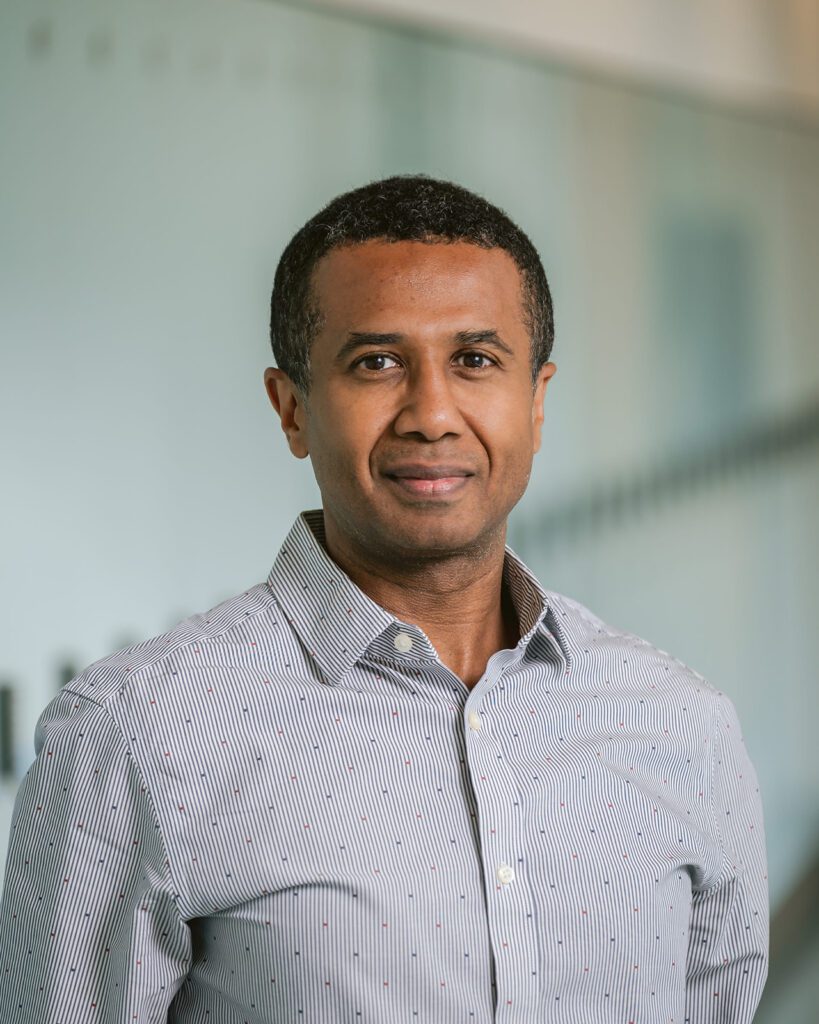
Husam Abdel-Qadir
MD, PhD, FRCPC
- Cardiologist, Women’s College Hospital and Peter Munk Cardiac Centre, University Health Network
- Associate Professor, Department of Medicine and Institute of Health Policy, Management and Evaluation, University of Toronto
- Scientist, Women’s College Hospital and Ted Rogers Centre for Heart Research
- Canada Research Chair in Cardiovascular Disease Epidemiology and Outcomes (Tier 2), University of Toronto
- Hold’em for Life Early Career Professor in Cancer Research, University of Toronto
- Junior Investigator, Clinical Trials and Translation Unit, Peter Munk Cardiac Centre, University Health Network
Research Focus Areas
- Cardiovascular Epidemiology
- Pragmatic Clinical Trials
Research Laboratory
Dr. Abdel-Qadir’s research group studies cardiovascular health in people with cancer and other complex health conditions. They combine population-based epidemiology, prospective clinical cohorts, prediction methods, and pragmatic randomized trials to answer questions that arise in everyday care.
In cardio-oncology, their work seeks to identify patients at risk of cardiovascular complications, improve surveillance during potentially cardiotoxic treatment, and support healthier survivorship. The JUSTIFY trial evaluates whether cardiac monitoring during HER2-targeted therapy can be tailored to individual risk. Complementary studies explore how clinical information, imaging, circulating biomarkers, and physical function can improve early detection and prevention.
Their broader research examines atrial fibrillation, lipoprotein(a), and cardiovascular outcomes across diverse populations. They are particularly interested in how co-existing illnesses and social factors influence risk, access to care, and the applicability of clinical evidence.
Their work brings together clinicians, epidemiologists, statisticians, and data scientists across Women’s College Hospital, UHN, the University of Toronto, ICES, and the Ted Rogers Centre for Heart Research. The aim is to translate better understanding of risk into practical strategies that improve patient outcomes and reduce unnecessary care.

Frequent Collaborators
-

Paaladinesh Thavendiranathan
Director, Ted Rogers Program in Cardiotoxicity Prevention
University Health Network
-