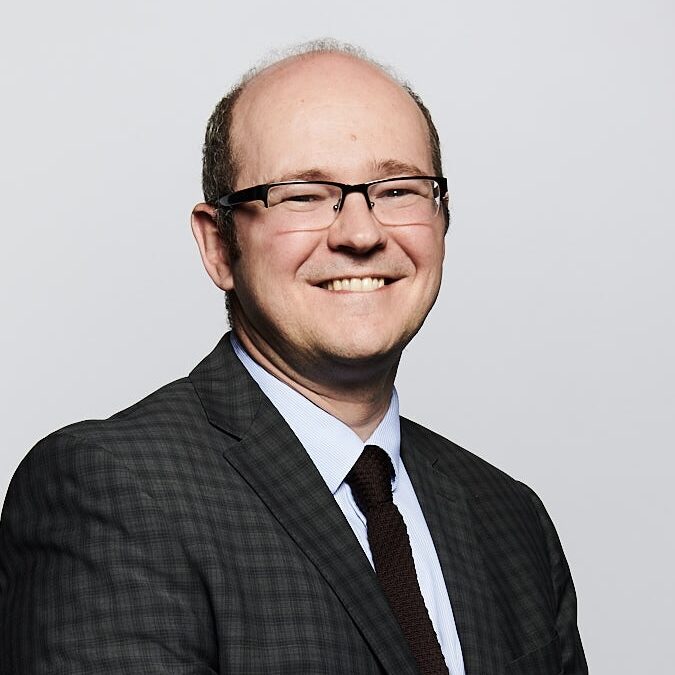
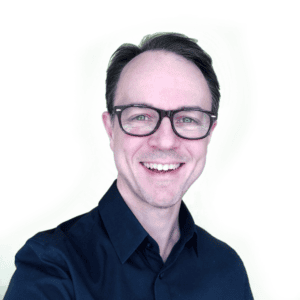
A smiling man with glasses, wearing a suit, dress shirt, and tie, against a plain background.

Mike Seed

MD

  • Division Head, Cardiology, SickKids
  • Professor, Paediatrics, University of Toronto

Research Focus Areas

  • Artificial Placenta
  • Brain development in congenital heart disease
  • Fetal Cardiac MRI

Overview

Mike Seed is Division Head of Cardiology at SickKids and a Professor of Paediatrics at the University of Toronto. His research interests centre on perinatal cardiology, with a particular focus on brain development in the setting of congenital heart disease. He is also working on a preclinical model of the artificial womb, a possible treatment for preterm birth.

Working closely with medical biophysicist Christopher Macgowan for much of his SickKids career, he has helped build a fetal cardiovascular imaging research program recognized internationally, developing MRI techniques for measuring blood flow and oxygen delivery in the fetal circulation.

He trained in medicine at the University of Newcastle in the UK, completed a radiology residency in Leeds, and trained in paediatric cardiology at SickKids, an unusual combination that shaped his career-long focus on cardiac imaging. As Division Head of Cardiology, he now oversees the broader Cardiology division at one of the world’s largest paediatric heart centres.

Collaborators would find his fetal imaging and artificial placenta work particularly valuable for studies of fetal circulation.

Published Research

Showing 4 out of 38 results

  • Fetal glucose availability: a key regulator of the metabolic, hormonal and contractility profiles of the fetal sheep heart.

    2026 | The Journal of physiology

    Bertossa MR, Darby JRT, Holman SL, Cho SKS, Meakin AS, Lock MC, Minns JA, Wiese MD, Macgowan CK, Seed M, Morrison JL

  • Cerebral Blood Flow and Neurodevelopment in Congenital Heart Disease

    2026 | Neurology Open Access

    Jessie Mei Lim, Davide Marini, Amandeep Saini, Stephanie H. Au-Young, Alejandro Floh, Thiviya Selvanathan, Anna Tedesco-Bruce, Louise Bannister, Erika Gibson, Rebekah Kjerland Jobling, Rajiv Chaturvedi, Raymond Kim, Marisa Signorile, Kyle Runeckles, Ting Guo, Alison Howell, Liqun Sun, John Kingdom, Linh Gia Ly, Vann Chau, Renee Sananes, Steven P. Miller, Mike Seed

  • α‐Adrenergic blockade impairs ductus venosus shunting during an acute period of fetal hypoxaemia without further deficits to cerebral oxygen delivery

    2026 | Experimental Physiology

    Jack R. T. Darby, Stacey L. Holman, Brahmdeep S. Saini, Sunthara Rajan Perumal, Mike Seed, Christopher K. Macgowan, Janna L. Morrison

  • Maternal late gestation undernutrition in sheep is associated with increased ductus venosus shunting and reduced cerebral oxygen consumption

    2026 | The Journal of Physiology

    Steven K. S. Cho, Brahmdeep S. Saini, Jack R. T. Darby, Stacey L. Holman, Mitchell C. Lock, Georgia K. Williams, Raj Perumal, Christopher Macgowan, Mike Seed, Janna L. Morrison

Research Laboratory

The Seed lab studies fetal and infant circulatory physiology and brain development using magnetic resonance imaging, with a particular focus on fetuses affected by congenital heart disease and growth restriction, conditions in which impaired blood flow before and after birth can alter how the brain develops. Working closely with medical biophysicist Christopher Macgowan, the lab has developed MRI techniques for measuring blood flow and oxygen delivery in the fetal circulation, opening lines of investigation into fetal cardiovascular physiology that were previously accessible only through invasive animal studies. Seed is a co-principal investigator on a swine model of the artificial placenta, a device intended to support extremely premature infants outside the womb by replicating placental gas exchange, developed in collaboration with colleagues from perinatal and critical care medicine, cardiac surgery, and fetal physiology. Seed is also working with Rajiv Chaturvedi and John Sled on preclinical models of congenital heart disease, including sheep and mouse models of hypoplastic left heart syndrome.
White lab coats with a Ted Rogers Centre for Heart Research logo hanging on a rack before a window overlooking the city, capturing life at the Ted Rogers Centre.