
Data Science & Machine Learning
Program Overview
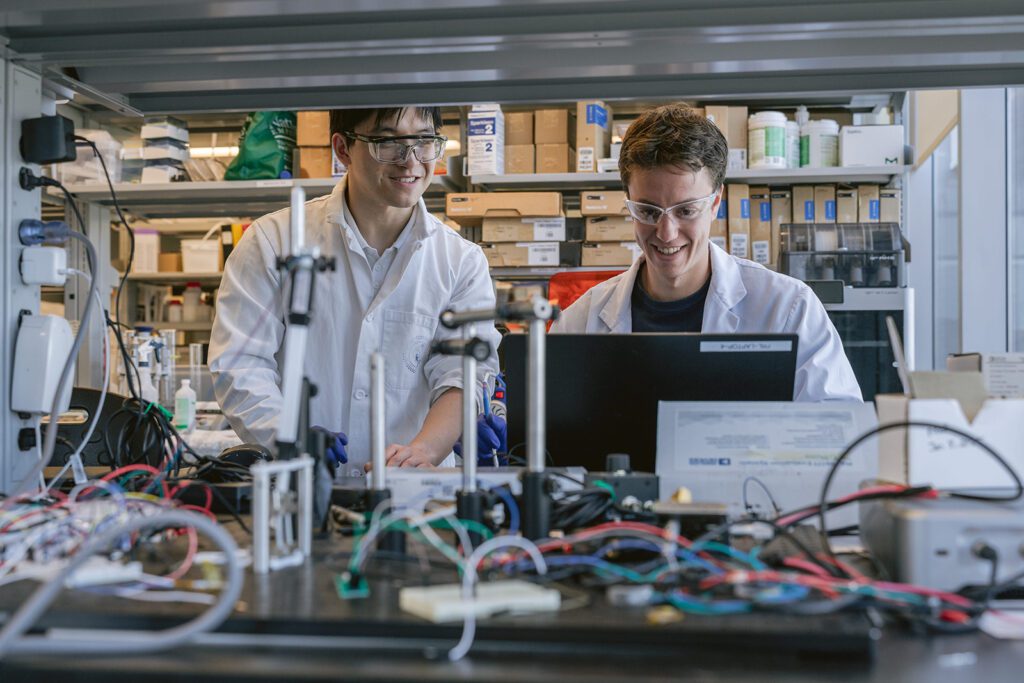
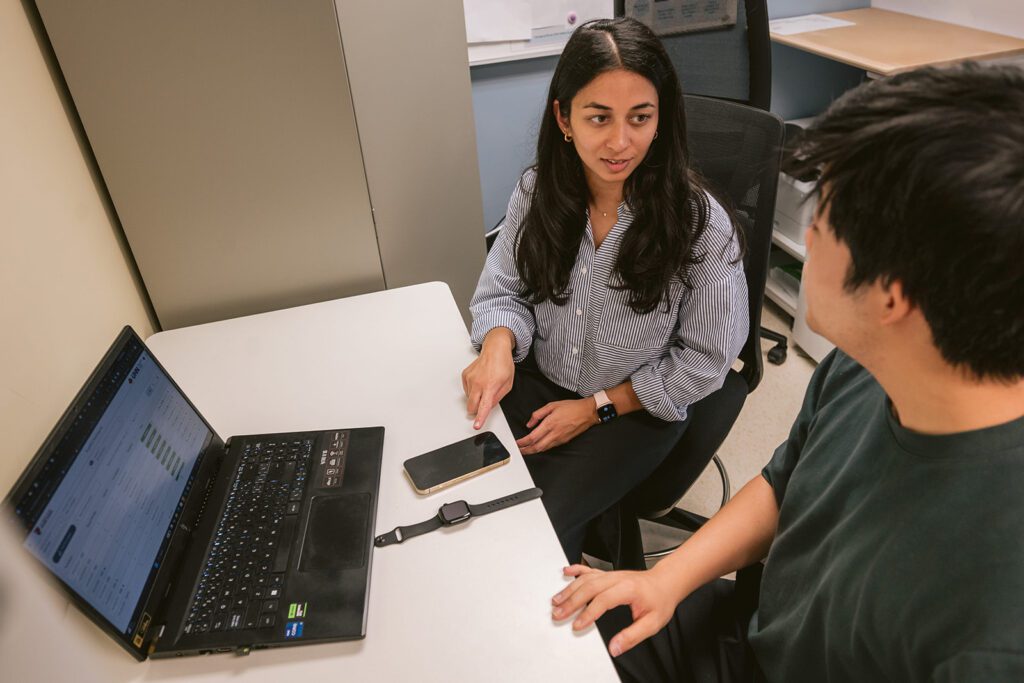
Our trio of advanced data-driven initiatives are led by data scientists, engineers, and managers working alongside software developers, programmer analysts, biostatisticians, regulatory specialists, cardiologists, and trainees.
The Digital Cardiovascular Health Platform (DCHP) is our hallmark data infrastructure, enabling researchers and clinicians to discover, integrate, store, and share data on heart patients at University Health Network. It accelerates digital health innovation and data-driven heart failure research.
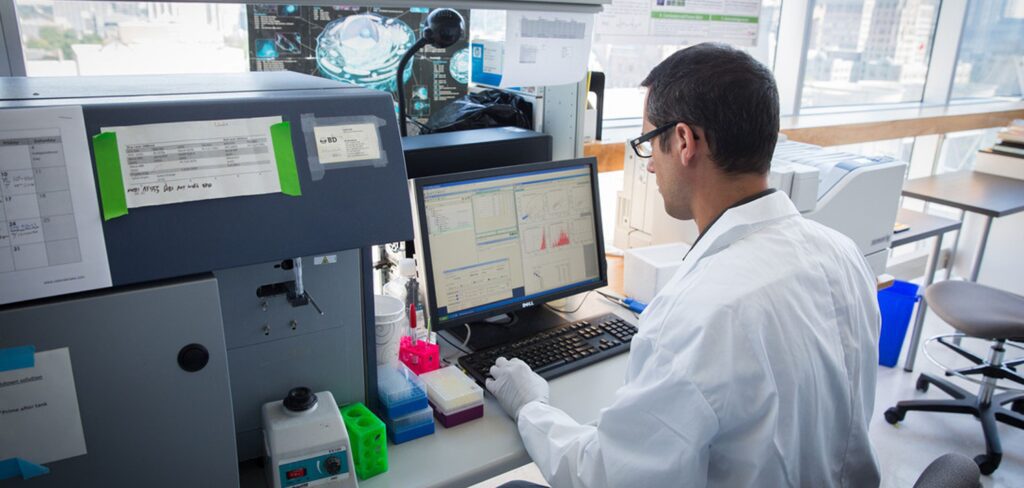
Our Ted Rogers Computational Program (TRCP) provides hands-on analytical support to clinicians and researchers, applying biostatistics, data science, and machine learning to study design, data analysis, and predictive modelling.
The Program in Data Science advances data science methods and practice in cardiovascular research by developing new approaches, establishing best practices, training researchers, and building academic collaborations.
Focus Areas
-
Unlocking, sharing, and utilising deeply valuable data
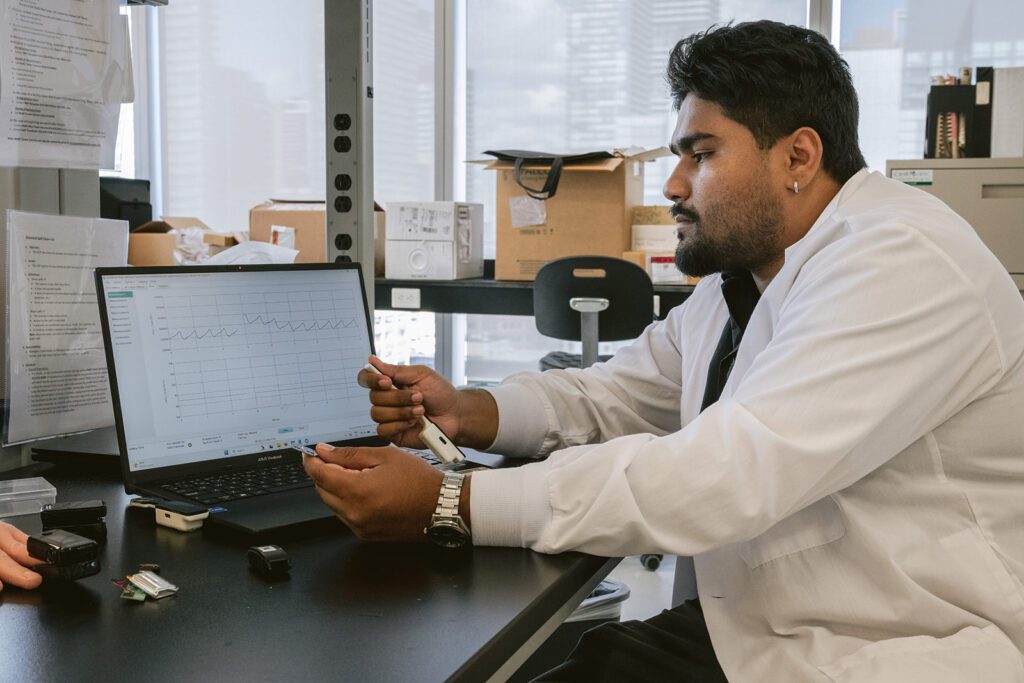
Our initiatives and services unlock data that was once siloed, disconnected, or discarded entirely by capturing and integrating multiple streams of patient data. This data lake draws from a wide range of sources: electronic medical records, clinical notes, research data, ECG readings, echocardiography images, and data from wearable technologies.
This resource allows our clinical teams to perform advanced analytics into the causes, prognosis, and ideal treatment for each person living with heart failure.

-
Enabling groundbreaking research
By combining this data resource with AI and machine learning, we can accelerate clinical and basic research and generate new insights into heart failure from millions of patient encounters and real-world evidence.
Our investigators can explore heart failure in new ways and conduct pragmatic clinical trials grounded in real-world care. At any given time, more than 200 analytics and research data management projects are underway.
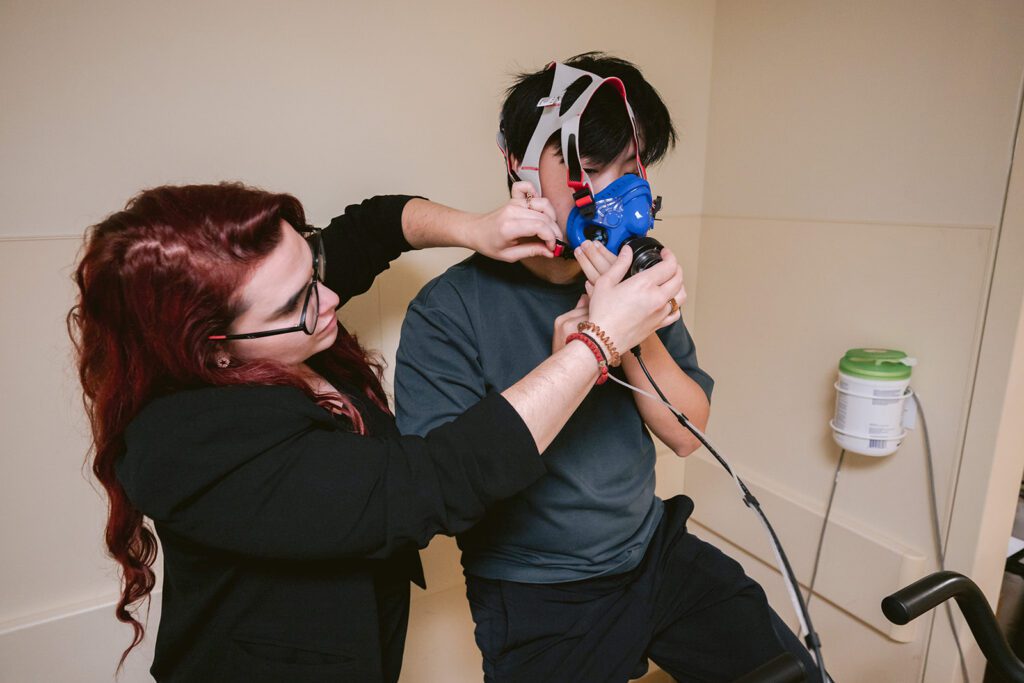
In one recent project, our team combined breath-by-breath data from cardiopulmonary exercise tests with electronic medical record data to develop a model that predicts a patient’s risk of progressing to end-stage heart failure within one year. The model achieved more than 84% accuracy, outperforming previously validated models.
-
Advanced techniques to support individualized treatment and management
Through advanced analytics and machine learning, our teams can perform complex analyses that were previously impossible, bringing personalized medicine to the forefront of heart failure care.
This work is creating new avenues for predictive care—from understanding how weather conditions affect patient outcomes to exploring how exercise therapy can improve heart health in children and youth who have survived cancer.
At the same time, AI-driven predictive analytics are helping clinicians deliver more efficient, individualized treatment while continuously improving patient safety and quality.
-
Driving System-Wide Change
The impact of our data initiatives extends beyond our own research, helping transform care across Canada’s largest hospital network.
For example, the DCHP laid the groundwork for UHN’s mission to “unleash the power of technology and innovation,” and became the foundation for a hospital-wide digital health platform.
As this data environment continues to grow, it will enable more powerful predictive models, algorithms, and discoveries that can improve outcomes and ultimately help prevent heart failure before it starts.
Our Data-Driven Initiatives
TRCHR hosts a trio of advanced data-driven initiatives that are transforming heart failure research and personalized care.
-
Digital Cardiovascular Health Platform
-
Ted Rogers Computational Program
-
Program in Data Science
Program Capabilities
- Patient data integration
- EMR, imaging, and wearable data integration
- AI and machine learning analytics
- Predictive risk modelling
- Pragmatic clinical trial support
- Statistical guideline development
- Data science training
- Quality improvement program development
Our Research, By the Numbers
A closer look at the numbers behind our Data Science & Machine Learning program.
-
active research projects
200+
-
one-year heart failure risk prediction accuracy
84%