Digital Health
Program Overview
To enable equitable access to high-quality heart failure care, we co-design precise, predictive digital health solutions with patients and caregivers. Our focus is technology that enables people to receive personalized heart failure care anywhere, no matter their distance to hospital. Continuous monitoring and proactive, remote support help clinicians and patients take action before symptoms worsen.
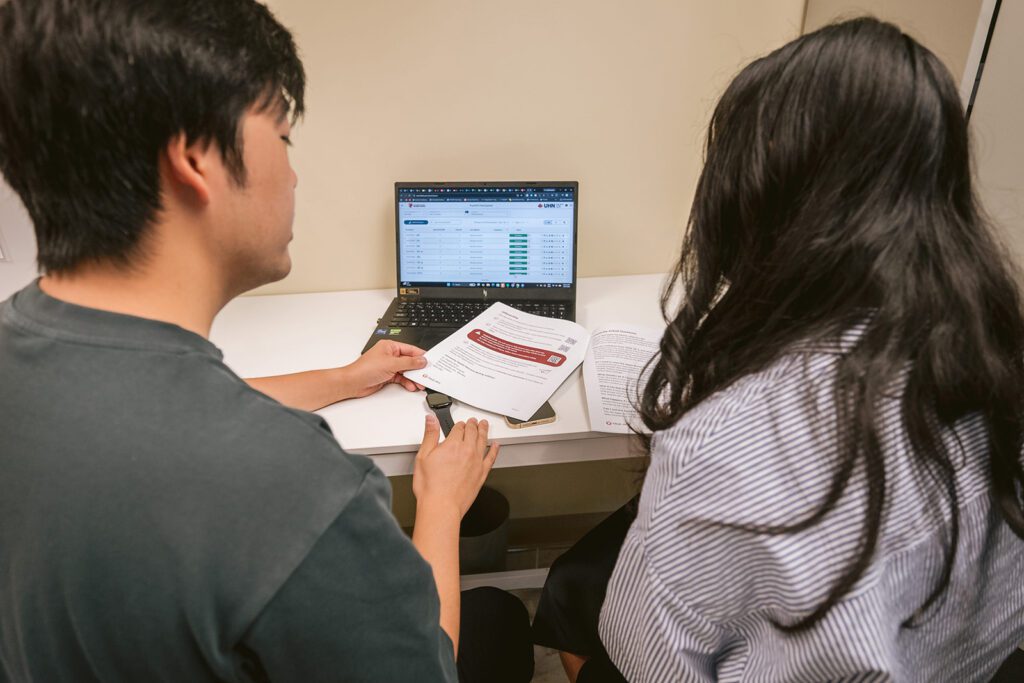
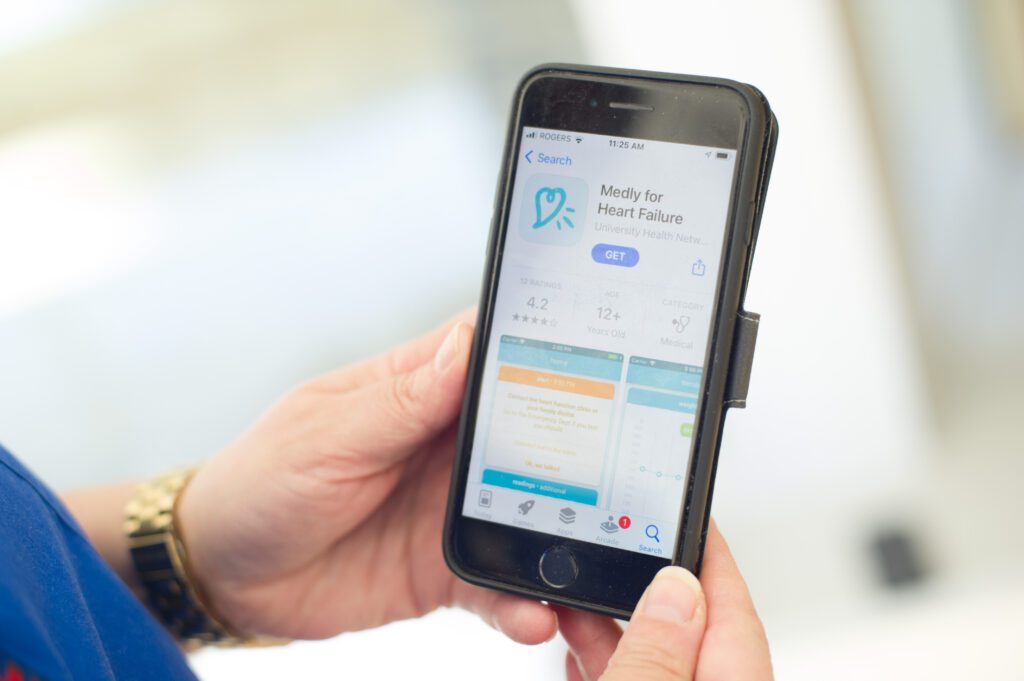
Leading this effort is Medly, our unique remote heart failure management program where patients enter their symptoms, receive real-time feedback on self-care, and have their medications adjusted remotely through the Medly app, while the clinical team monitors patients through a dashboard and receives alerts when specialists must follow up on urgent issues.
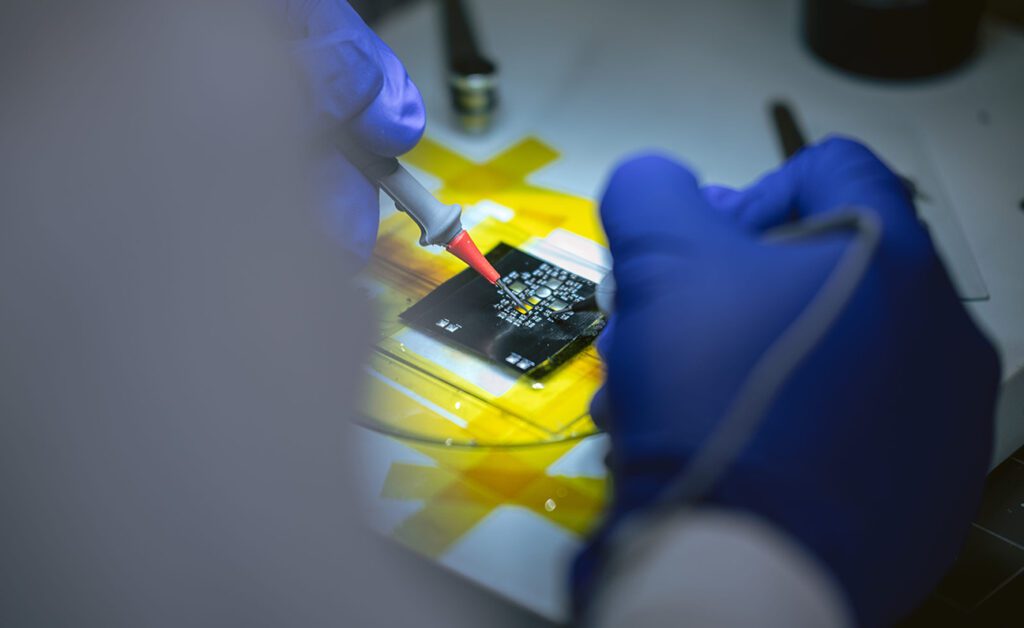
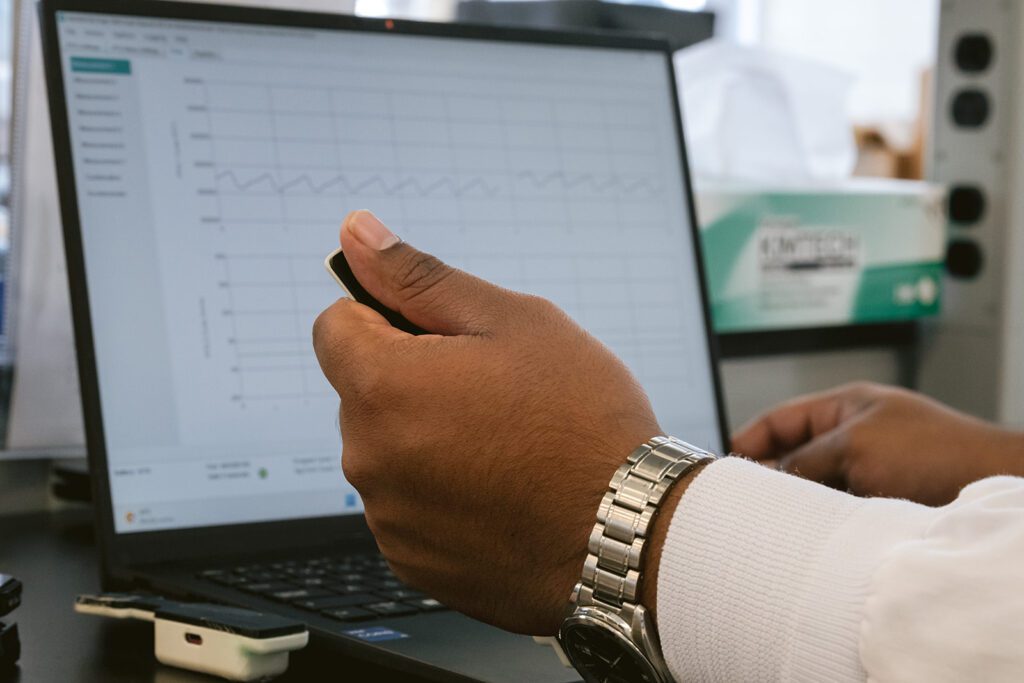
Beyond Medly, our team develops wearable sensors and remote diagnostic technologies that extend diagnostic capability into everyday life, helping keep people with heart failure safe, supported, and out of hospital.
Focus Areas
-
Reducing Hospitalizations for Heart Failure
At UHN, our Medly program reduced rehospitalizations by 50% and all-cause admissions by 24% for people with heart failure, while improving their self-care and quality of life. In 2020, Medly became the first telemonitoring system designated a Class II medical device by Health Canada. That same year, during the COVID-19 pandemic, our teams onboarded 500 new patients to Medly, helping keep vulnerable patients out of hospital. At UHN, Medly now supports 1,000 active patients at any one time.

-
Unique Technology That Keeps People Safe at Home
Through Medly, we keep patients stable by flagging deteriorations and worsening symptoms early. Its sophisticated algorithm feeds an expert triage system by which one nurse can remotely monitor up to 300 patients at once. For clinicians, Medly’s intuitive design enables seamless adoption into existing workflows. For patients, it becomes a routine, easy-to-use part of daily life, guarded by specialized care for which they’d otherwise need to visit a clinic.
-
Supporting Guideline-Directed Care
Medly is proven to safely titrate medications to achieve guideline-directed medical therapy faster than typical care, getting patients to target doses with fewer visits. The team is now devising an expert rules system to allow automatic titration of guideline-directed care, which is a world first.
-
Collaborations with Centres and Industry Partners
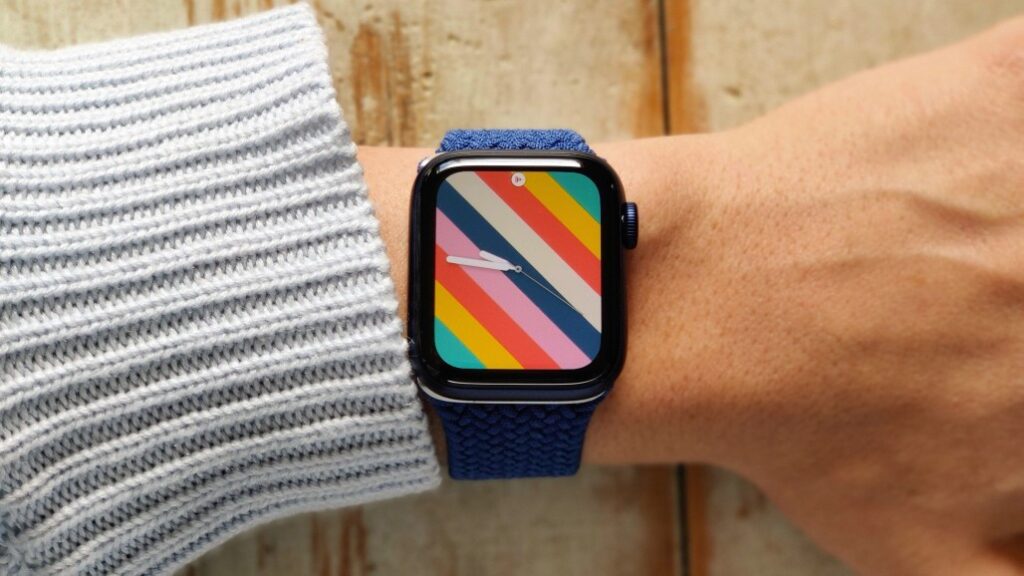
The Medly program first transformed the model of care at UHN, and is now being deployed in specialty cardiac centres and primary care clinics across Ontario. Our digital health innovations also caught the attention of Apple, which partnered with our team to test how Apple Watches and iPhones can improve remote heart failure monitoring, including TRUE-HF, which explores whether biometric data can estimate cardiorespiratory fitness, vital to determining prognosis.
-
Wearable and Remote Diagnostic Sensor Technology
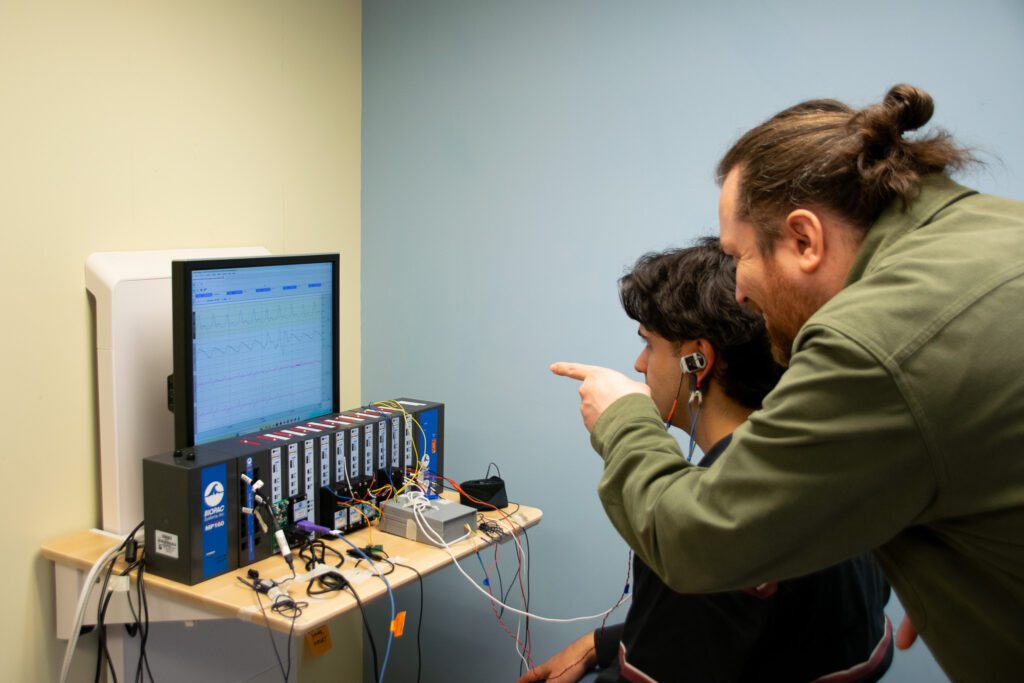
A wearable sensor is a health-monitoring device that fits easily into someone’s everyday life. Sensors can be embedded in clothing to monitor vital signs, or take the form of mobile apps that measure blood flow, “lab-on-a-chip” devices for at-home biomarker testing, or technology that syncs with consumer devices like a Fitbit or Apple Watch. Led by TRANSFORM HF, our team designs novel biosensors with consideration for the diverse needs of people living in Canada and explores how such devices can be effectively incorporated into new models of care. These innovations support early diagnosis, empower self-management, and reduce strain on healthcare systems by shifting care into community and home settings.
Innovation Highlights
Learn about some of our innovations around Digital Health.
-
Medly: A World-First Remote Care Model(opens in a new tab)
The first telemonitoring system designated a Class II medical device by Health Canada, now used across Ontario. -
Ted Rogers Understanding of Exacerbations in Heart Failure (TRUE-HF)(opens in a new tab)
New research from University Health Network, featuring TRANSFORM HF members Dr. Heather Ross, Dr. Chris McIntosh, Dr. Yas Moayedi, and Will Gao, shows that wearable technologies can help monitor heart failure by providing early signs of deteriorating health – often days to weeks before unplanned medical care is needed.
Program Capabilities
- Remote heart failure monitoring (Medly)
- Automated medication titration support
- Wearable sensor and smart textile design
- AI-enabled patient triage
- Consumer wearable integration
- Lab-on-a-chip diagnostic development
Our Research, By the Numbers
A closer look at the numbers behind our Digital Health initiatives and the impact they’re driving.
-
Higher risk of unplanned care for each 10% drop in estimated fitness
3.6x
Learn About the TRUE-HF Study(opens in a new tab) -
less travel with remote care
34%
Learn More(opens in a new tab) -
All-Time Patients supported by Medly
2,500+
Meet the Digital Health Team
Browse our catalogue of researchers and staff involved with Digital Health at the Centre.
-
Chris McIntosh
Senior Scientist, Peter Munk Cardiac Centre Research Institute
University Health Network
-
-
-